
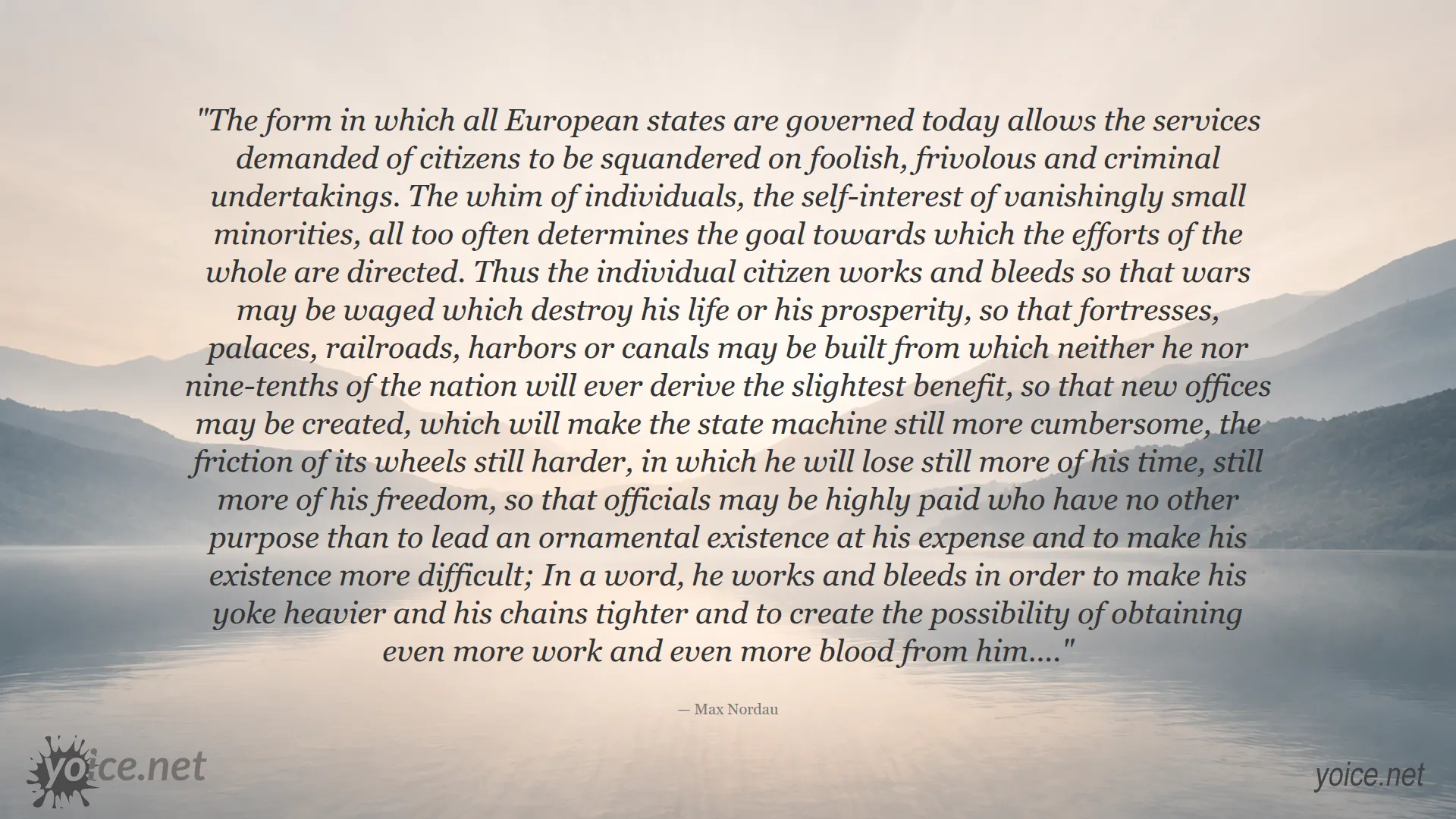
„The form in which all European states are governed today allows the services demanded of citizens to be squandered on foolish, frivolous and criminal undertakings. The whim of individuals, the self-interest of vanishingly small minorities, all too often determines the goal towards which the efforts of the whole are directed. Thus the individual citizen works and bleeds so that wars may be waged which destroy his life or his prosperity, so that fortresses, palaces, railroads, harbors or canals may be built from which neither he nor nine-tenths of the nation will ever derive the slightest benefit, so that new offices may be created, which will make the state machine still more cumbersome, the friction of its wheels still harder, in which he will lose still more of his time, still more of his freedom, so that officials may be highly paid who have no other purpose than to lead an ornamental existence at his expense and to make his existence more difficult; In a word, he works and bleeds in order to make his yoke heavier and his chains tighter and to create the possibility of obtaining even more work and even more blood from him. It is only in very small states, or in those with extensive decentralization and self-government, that the efforts of the citizen are not so irresponsibly squandered; such commonwealths, in their nature and conditions of existence, resemble co-operative societies, in which each individual member can easily oversee the use of his sums, prevent unnecessary expenditure, oppose unpromising undertakings from the outset, or give them up in time; In this way, every benefit and every loss is felt directly, the member sees himself compensated for the sacrifices he has made and is protected from going further down the wrong path. [....] The life and property of the individual is no more protected by modern multi-government, by the endless writing, recording, officiating, prohibiting and permitting than it would be without all this intricate apparatus. For all the sacrifices of blood, money and liberty which the citizen makes to the state, he receives from it scarcely any other relief in life than justice, which is everywhere disproportionately expensive and tedious [.... The pretext that the liberty of the individual is diminished only out of consideration for the rights of others is a bad joke; this alleged consideration does not prevent the rape of individuals and deprives all of the greatest part of their natural freedom of movement; the law thus exerts from the outset and with certainty on everyone the compulsion that without it only individual violent natures would perhaps exert on some in exceptional cases.[.... In the fetters imposed on him by the institutions of the state, the citizen is quite as dependent on self-protection as the free savage, but finds himself more inept at it than the latter, because he has forgotten how to take care of himself, because he no longer possesses the right sense for the perception of his near and distant interests, because he is accustomed from childhood to tolerate pressure and coercion, against which the latter at the first moment resists, because the state has inculcated in him the idea that offices and authorities must take care of him in all situations, because the law has broken the opposing elasticity of his character, has crushed every power of resistance by its constant pressure, and has brought him to the point where rape is no longer perceived as injustice. It is not true that it requires all our police regulations to protect our lives and property; in the gold-seeking camps of the American West and Australia the individuals took their protection into their own hands by forming the so-called "Vigilance Committees," and without any official machinery the most exemplary order soon prevailed. [....] If nine-tenths of the existing laws and regulations, of offices and authorities, of deeds and protocols were abolished today, the security of the person and of property would be the same as at present, every individual would continue to enjoy all his rights undiminished, no one would lose the slightest of the real advantages of civilization, and the individual would attain a freedom of movement, feeling and living out his ego with a blissful intensity of which he can have no conception in his present hereditary state of all-round bondage. Perhaps at first such freedom would even instill in it restlessness and fear, like a bird raised in captivity to which one opens the peasant; it would first have to learn to have no fear of spreading its wings to their outermost folds and to overcome its fear of space. [....] Even in this ideal state, the individual would have to work for the community, in other words, pay taxes, but public levies would no longer have the character of extortion that makes them hateful today.“
Max Nordau | was a doctor, writer, politician and co-founder of the Zionist Organization.
Translation or original: 🇩🇪Click here
Quelle: Hier klicken
i
Share this entry
 Copyright © yoice.net – Quote Artwork
 Copyright © yoice.net – Quote Artwork
 Copyright © yoice.net – Quote Artwork
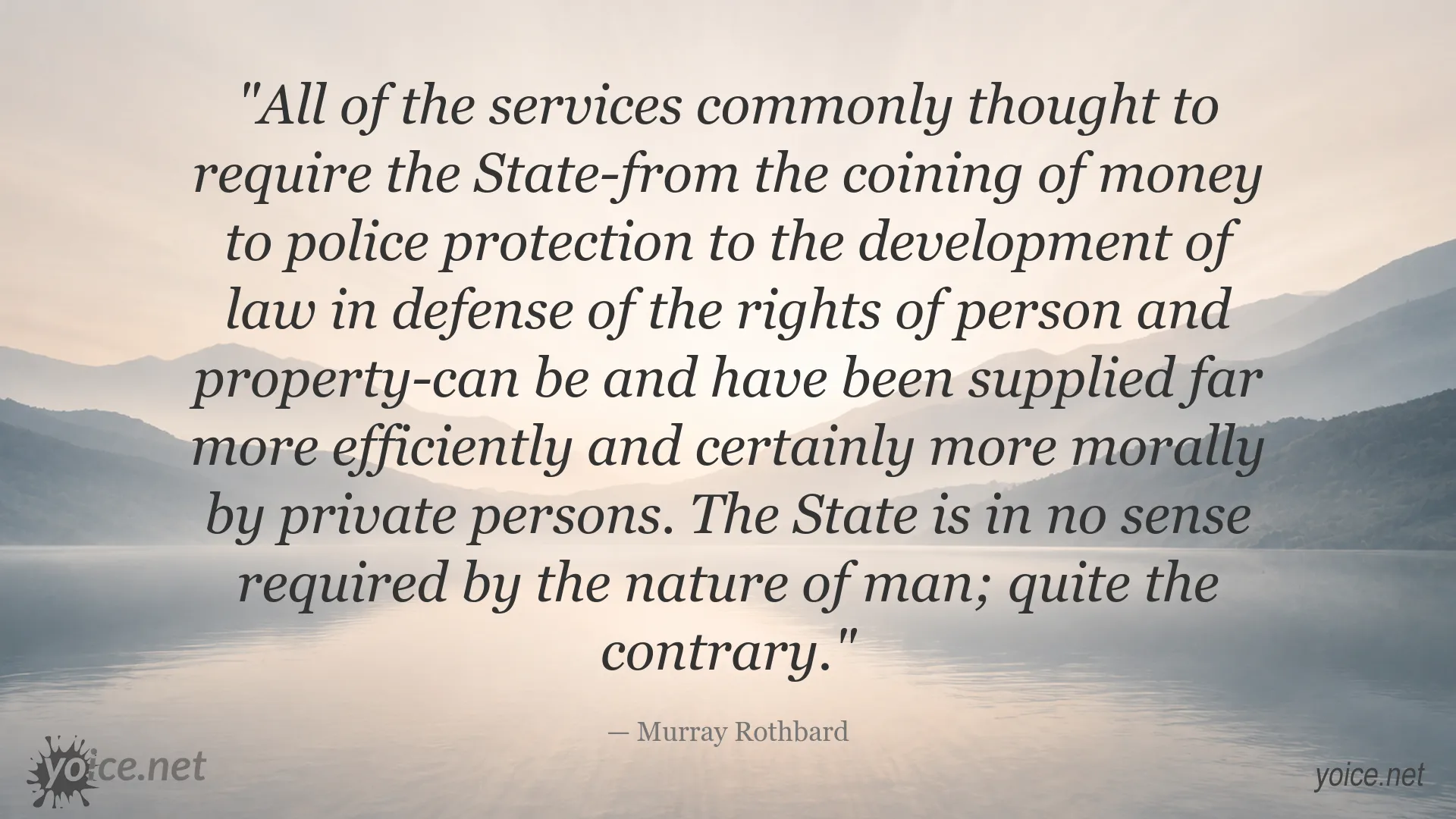 Copyright © yoice.net – Quote Artwork
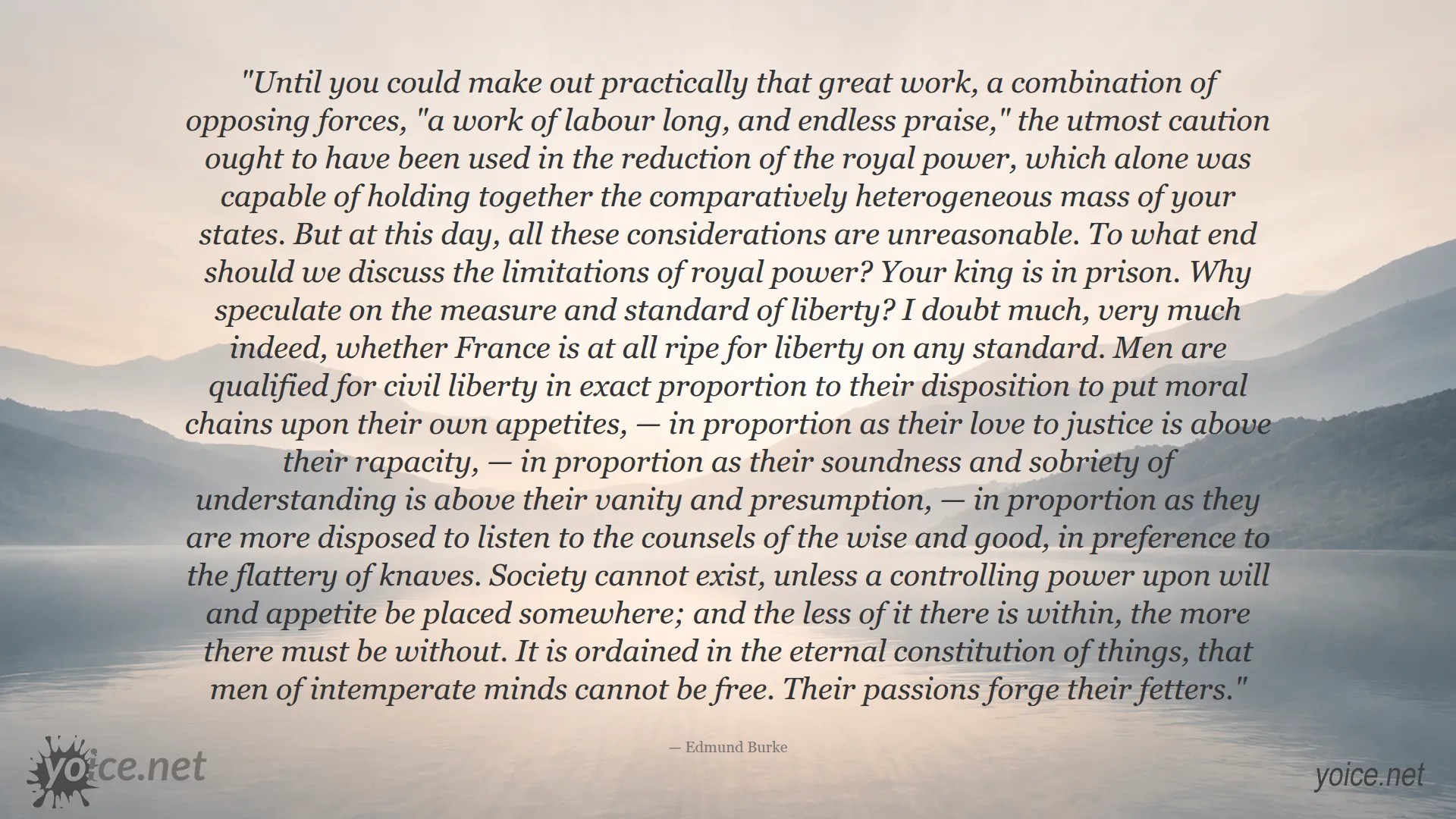 Copyright © yoice.net – Quote Artwork
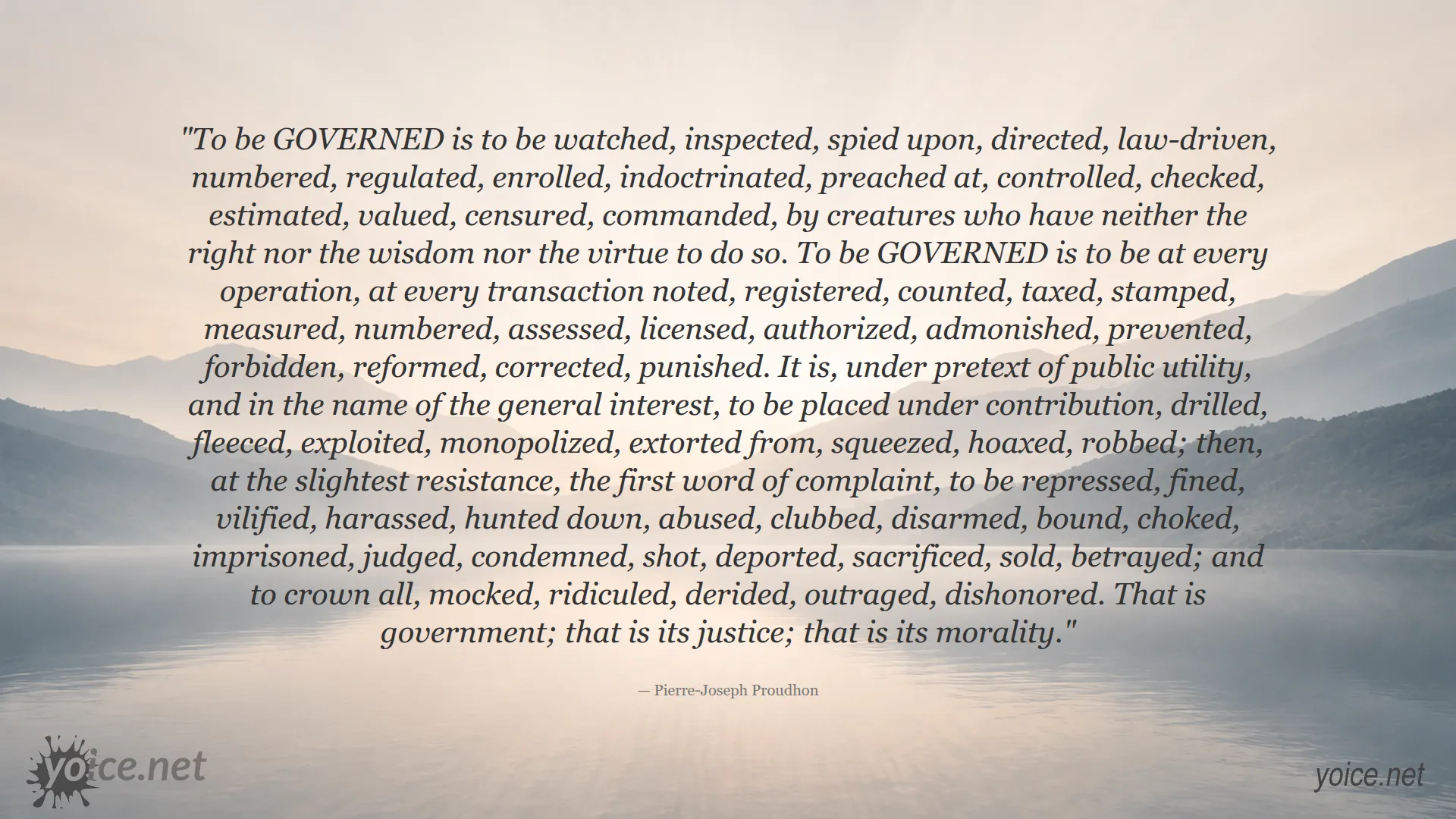 Copyright © yoice.net – Quote Artwork
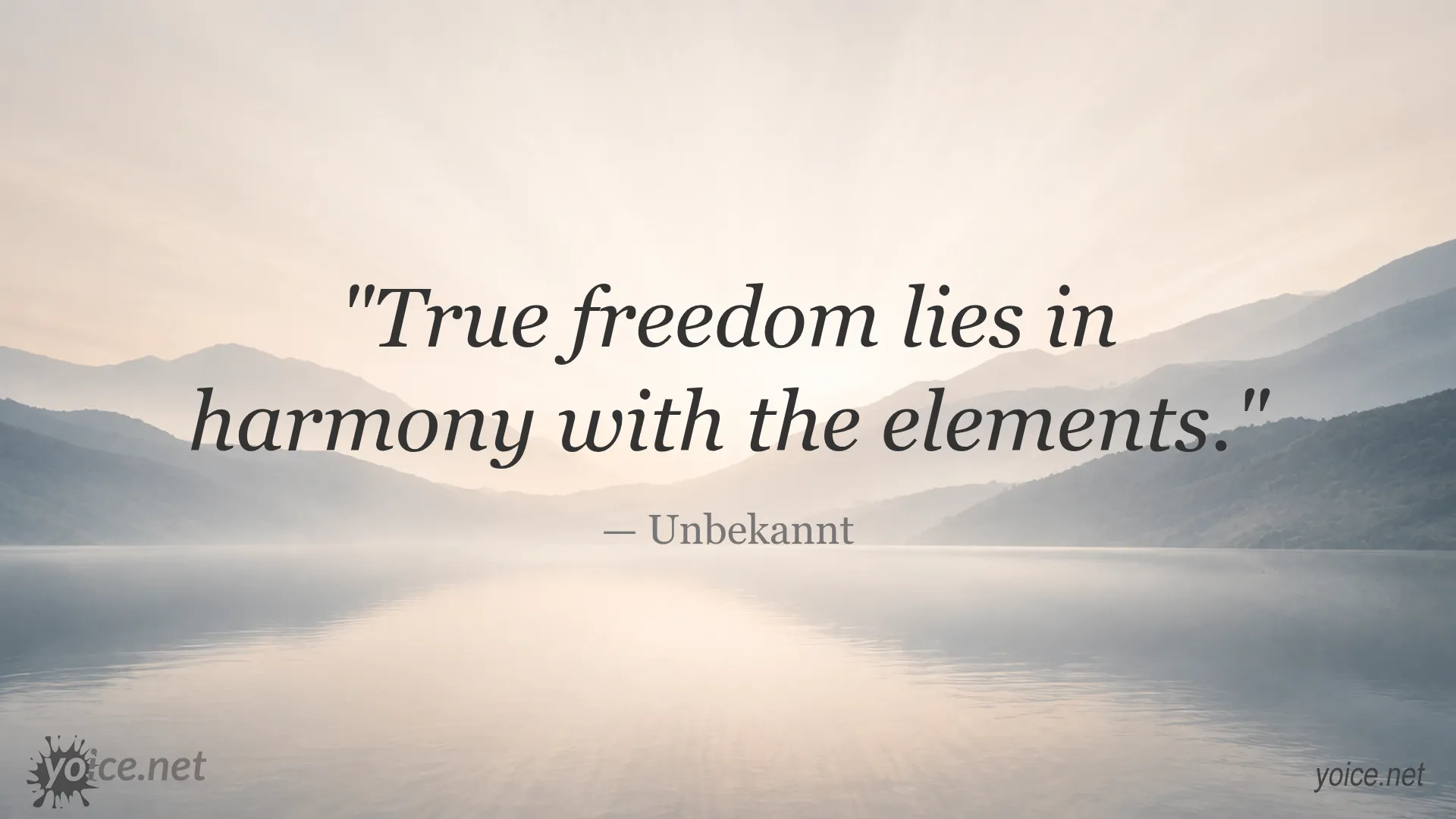 Copyright © yoice.net – Quote Artwork
 Copyright © yoice.net – Quote Artwork
Leave a Reply
Want to join the discussion?Feel free to contribute!