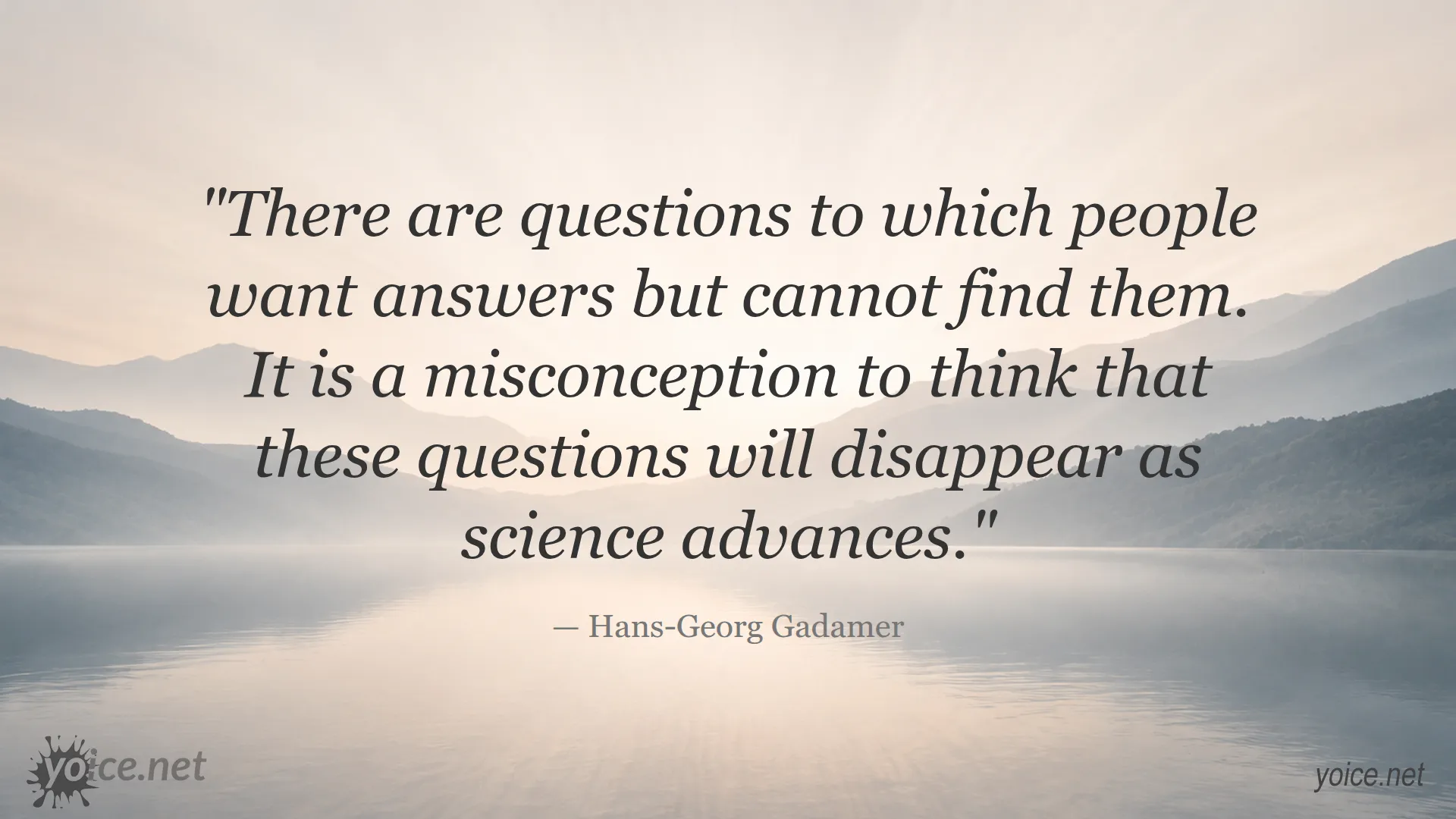
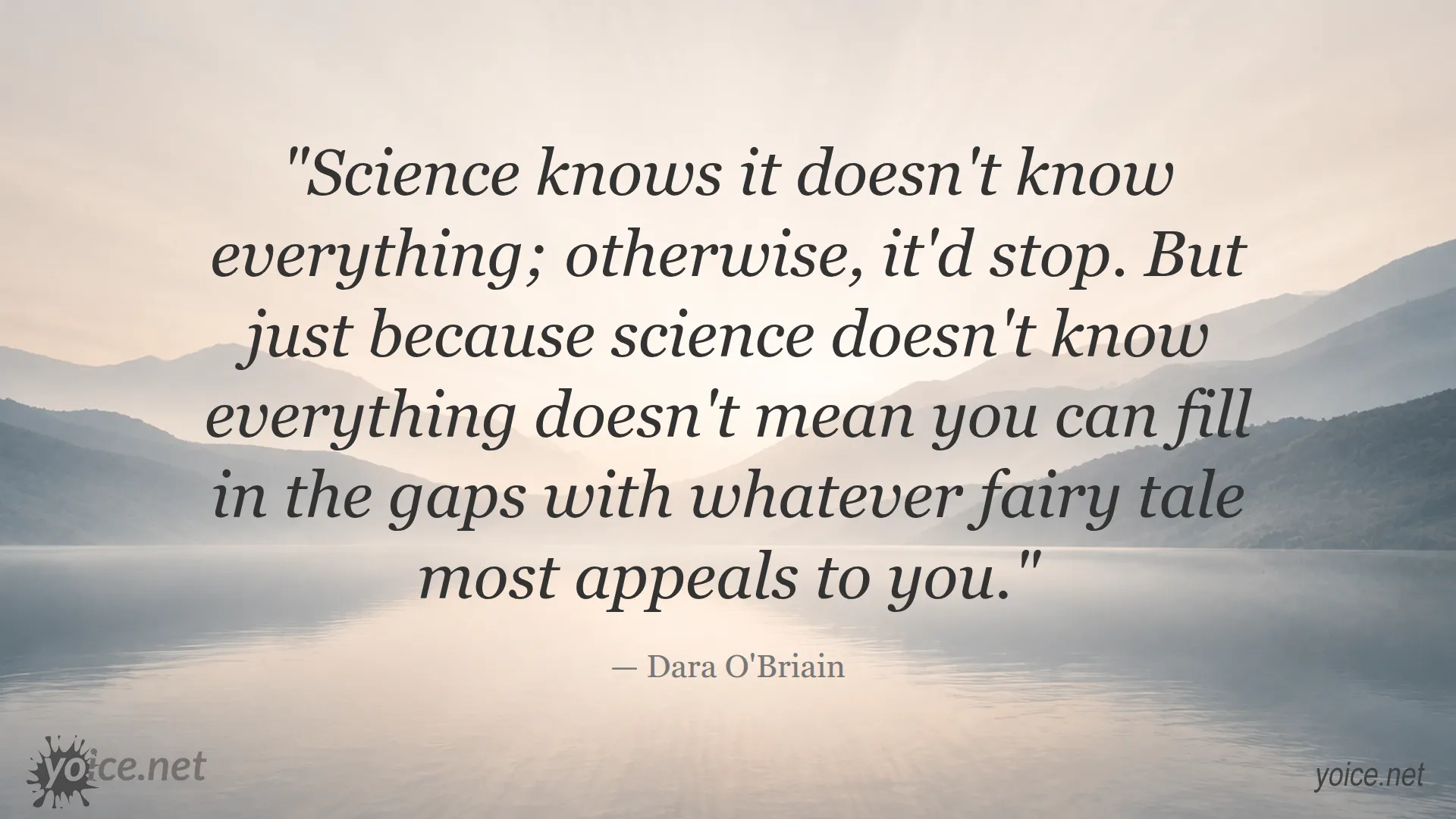
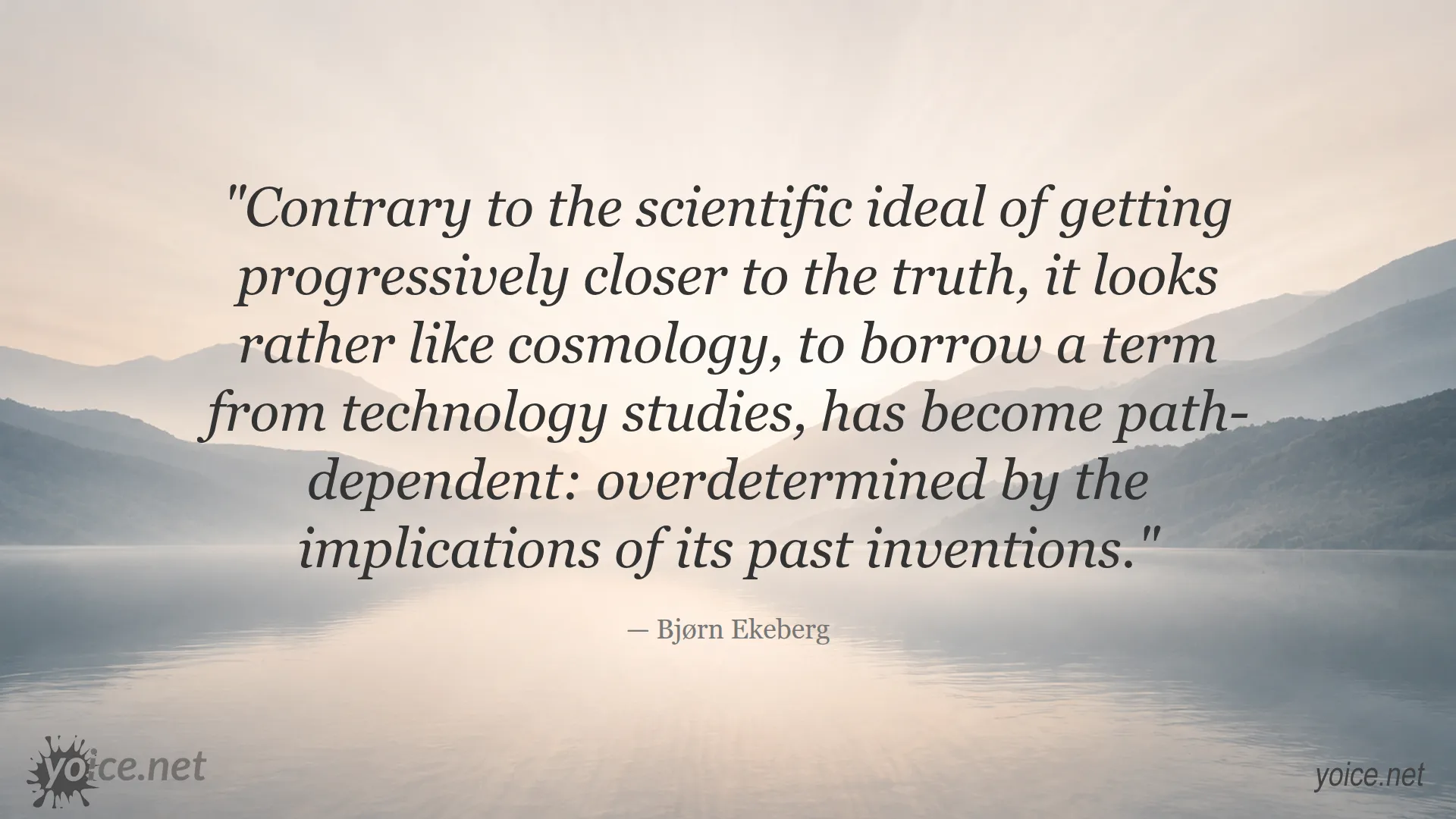
"Science delusion is the belief that science has already fundamentally understood the nature of our reality and only the details need to be completed. I believe this is a seriously flawed view. Most people's first reaction is one of disbelief and rejection when they first hear this statement. How could there actually be anything more successful than science? It has given us cell phones, computers, airplanes, advanced forms of surgery, and much more. We have huge advantages today through science and through its technical applications. It looks as if there is no more room for error or even delusion there, and yet I maintain that at the innermost core of today's sciences there are fundamental errors of thought and dubious assumptions, and that there is a conflict within the sciences that keeps them from their proper task. I see science as a method of inquiry, a tool for exploring and investigating reality. But there is another side to the sciences, namely science as a worldview or even as a dogmatic belief system. Again, most people are shocked at first when I suggest that science can be a dogmatic belief system. They then say things like, "Hey, science in particular is the only thing that is possible for us and to leave our dogmatic belief patterns. It's the only discipline that produces tangible evidence, full respect, free inquiry, and open thinking." Now, this is the ideal of the sciences, and it is an ideal that I also share. But unfortunately, in practice, this ideal is usually not realized in the way it is preached. Within the sciences there is a strongly defined corset of beliefs that most scientists do not even suspect could be beliefs. They do believe that other people have beliefs-Christians, Buddhists, Muslims, and so on-but they themselves, of course, have no beliefs because they are, after all, concerned with scientific truth. And these beliefs are taken as such settled, established truths that they are usually not even discussed. When you study science, people don't just tell you what beliefs to accept and what things to know. You just absorb these principles like the process of osmosis in biology. These are things that are treated with such a matter of course that you just assume they must be true. Most people outside the scientific world assume that they must be true because science is simply so successful and, as a result, enjoys an enormously high level of prestige today."
Rupert Sheldrake

 Copyright © yoice.net – Quote Artwork
 Copyright © yoice.net – Quote Artwork
 Copyright © yoice.net – Quote Artwork
 Copyright © yoice.net – Quote Artwork
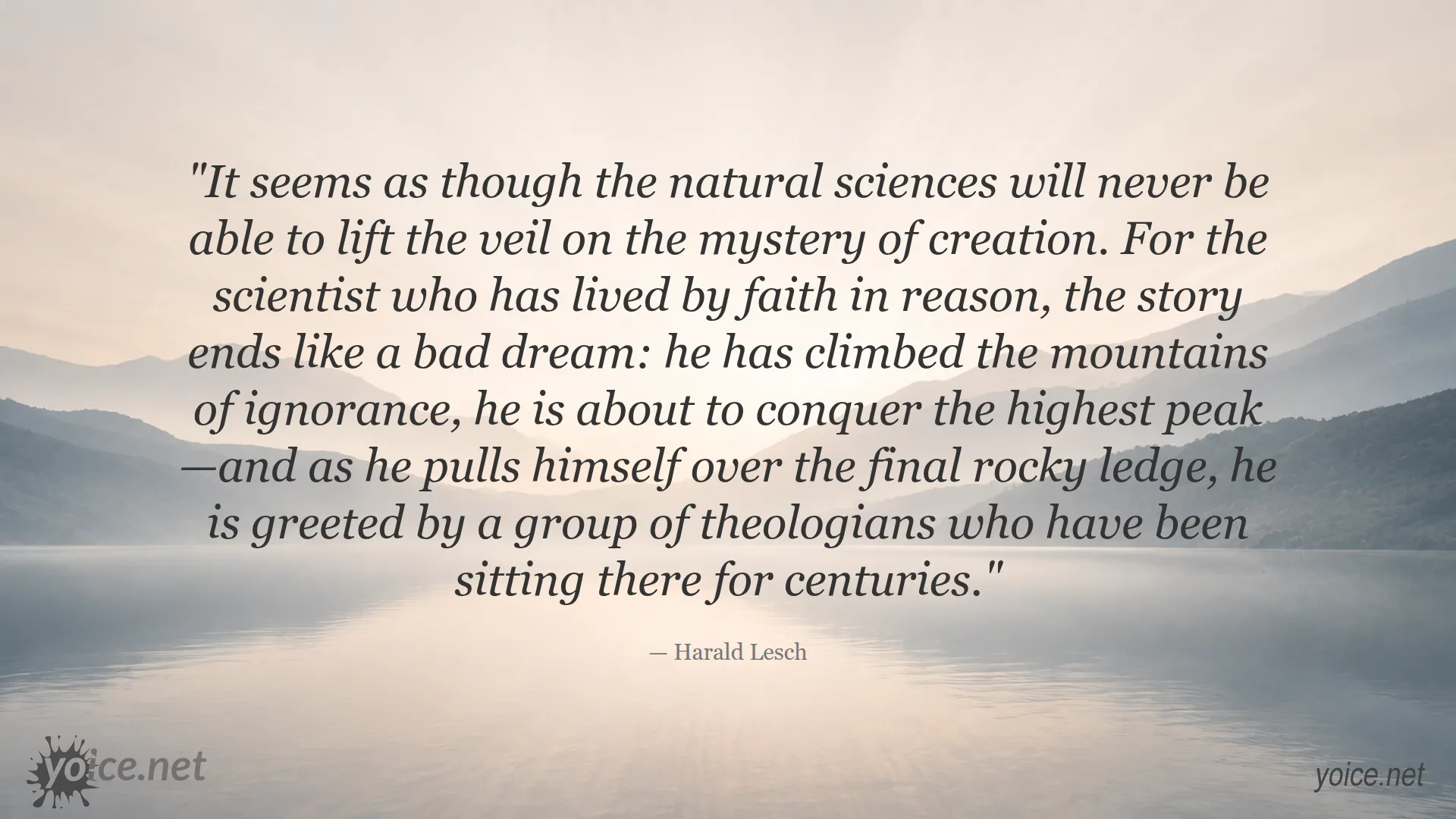 Copyright © yoice.net – Quote Artwork
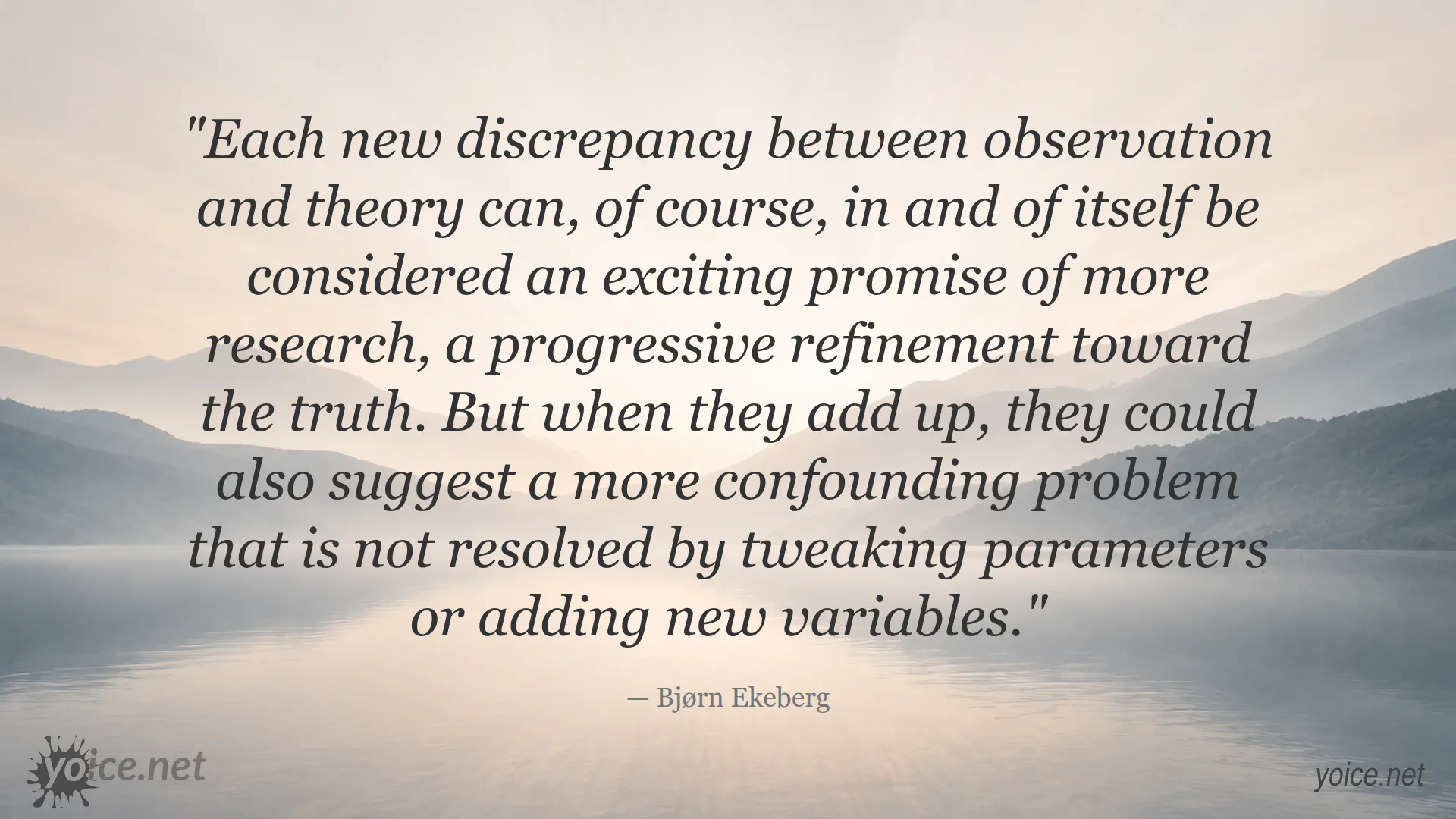 Copyright © yoice.net – Quote Artwork
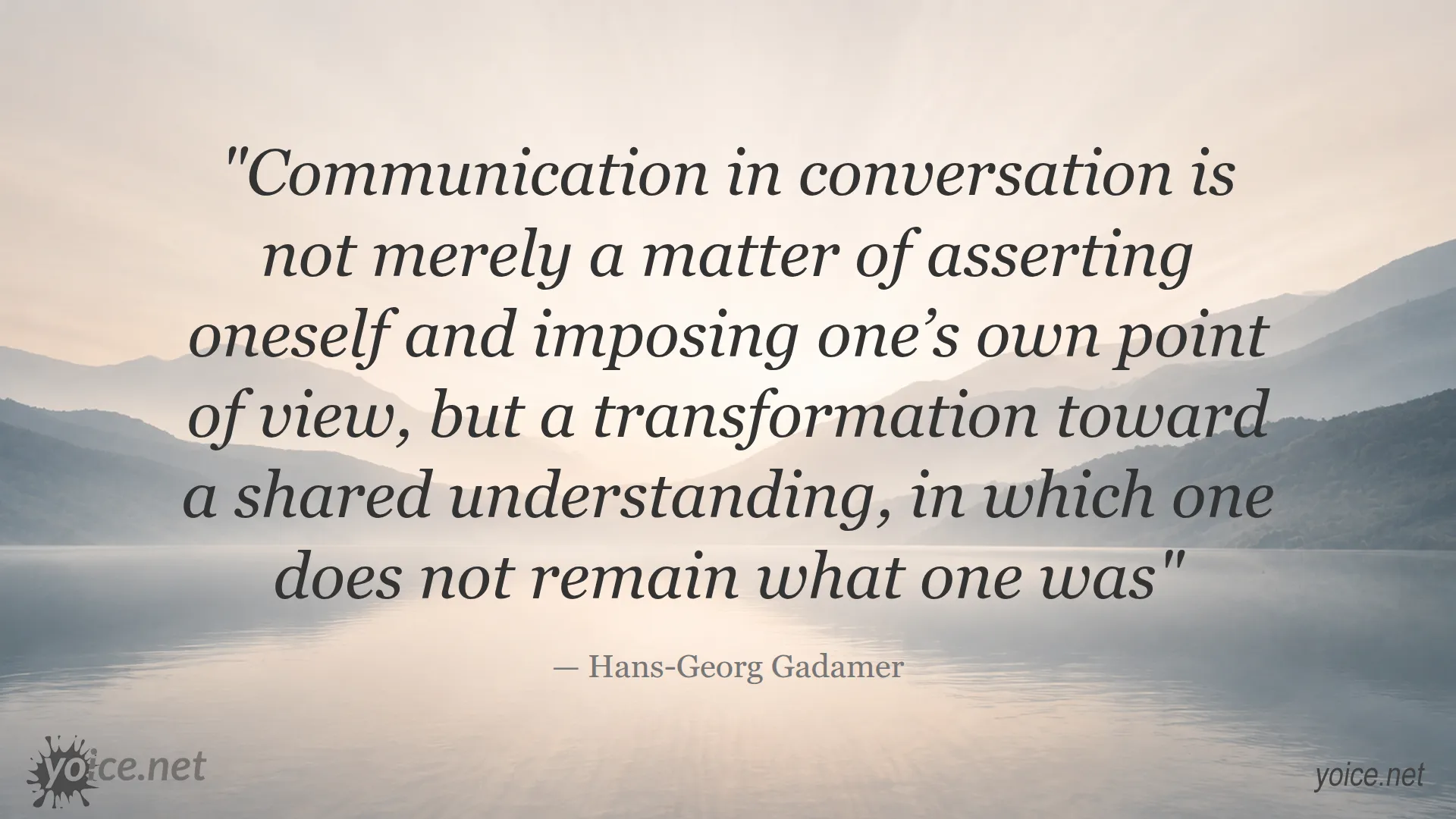 Copyright © yoice.net – Quote Artwork
 Copyright © yoice.net – Quote Artwork
Leave a Reply
Want to join the discussion?Feel free to contribute!