„In this respect, it is interesting to contrast Einstein and Copernicus. Before Copernicus, people thought that the earth stood still and the heavens revolved about it once a day. Copernicus taught that “really” the earth rotates once a day, and the daily revolution of sun and stars is only “apparent.” Galileo and Newton endorsed this view, and many things were thought to prove it—for example, the flattening of the earth at the poles, and the fact that bodies are heavier there than at the equator. But in the modern theory the question between Copernicus and his predecessors is merely one of convenience; all motion is relative, and there is no difference between the two statements: “the earth rotates once a day” and “the heavens revolve about the earth once a day.” The two mean exactly the same thing, just as it means the same thing if I say that a certain length is six feet or two yards. Astronomy is easier if we take the sun as fixed than if we take the earth, just as accounts are easier in a decimal coinage. But to say more for Copernicus is to assume absolute motion, which is a fiction. All motion is relative, and it is a mere convention to take one body as at rest. All such conventions are equally legitimate, though not all are equally convenient.“

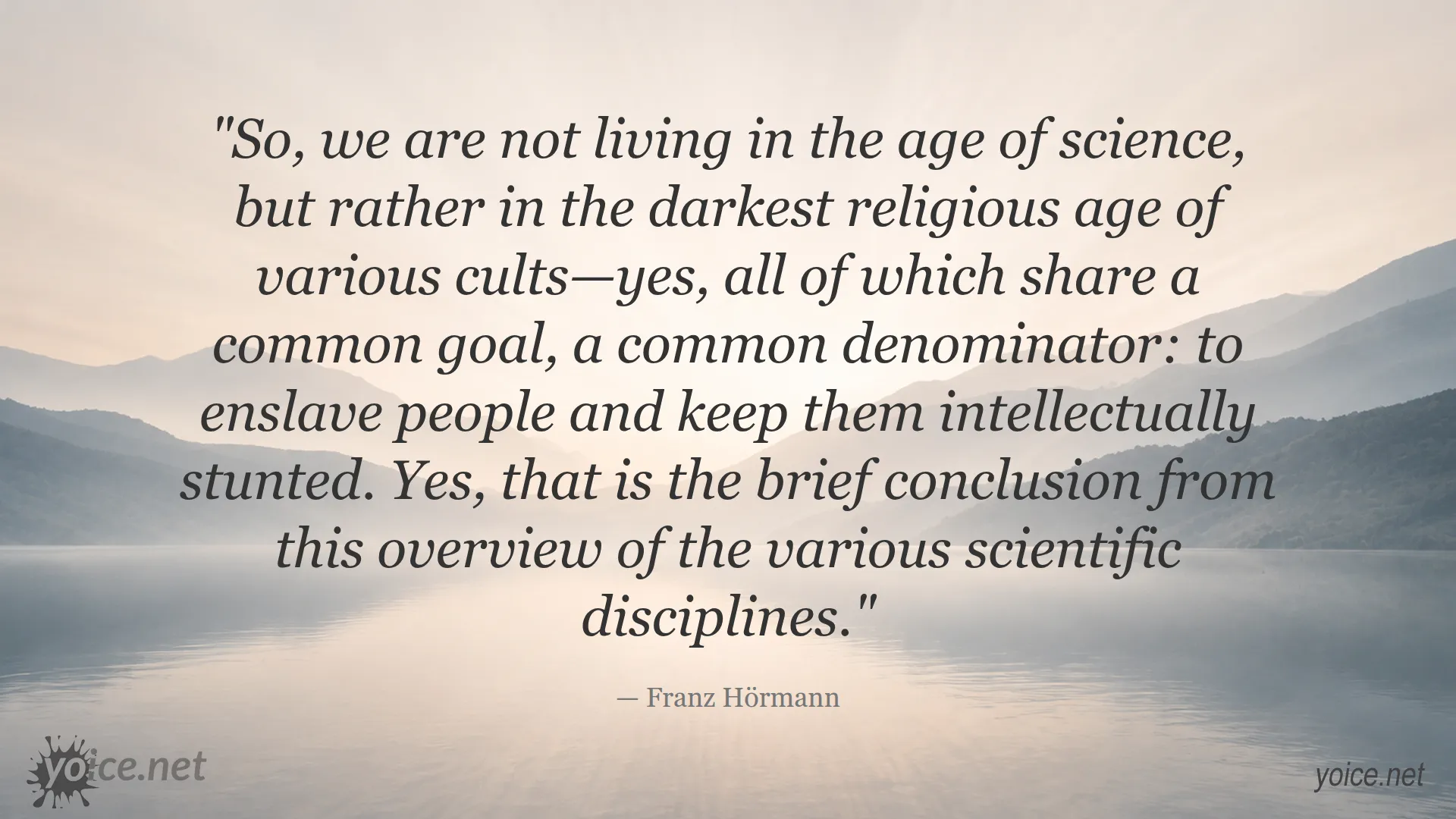 Copyright © yoice.net – Quote Artwork
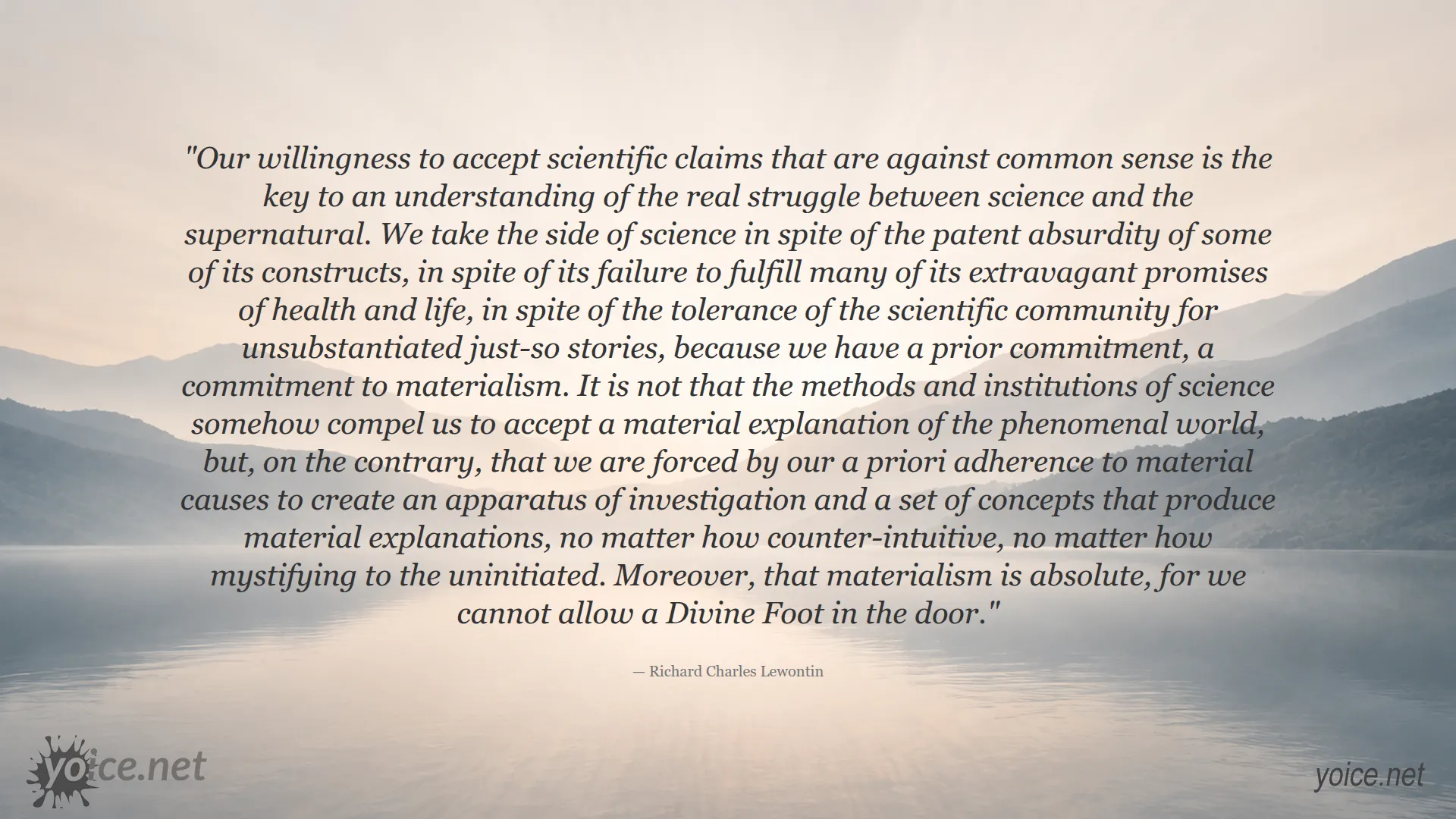 Copyright © yoice.net – Quote Artwork
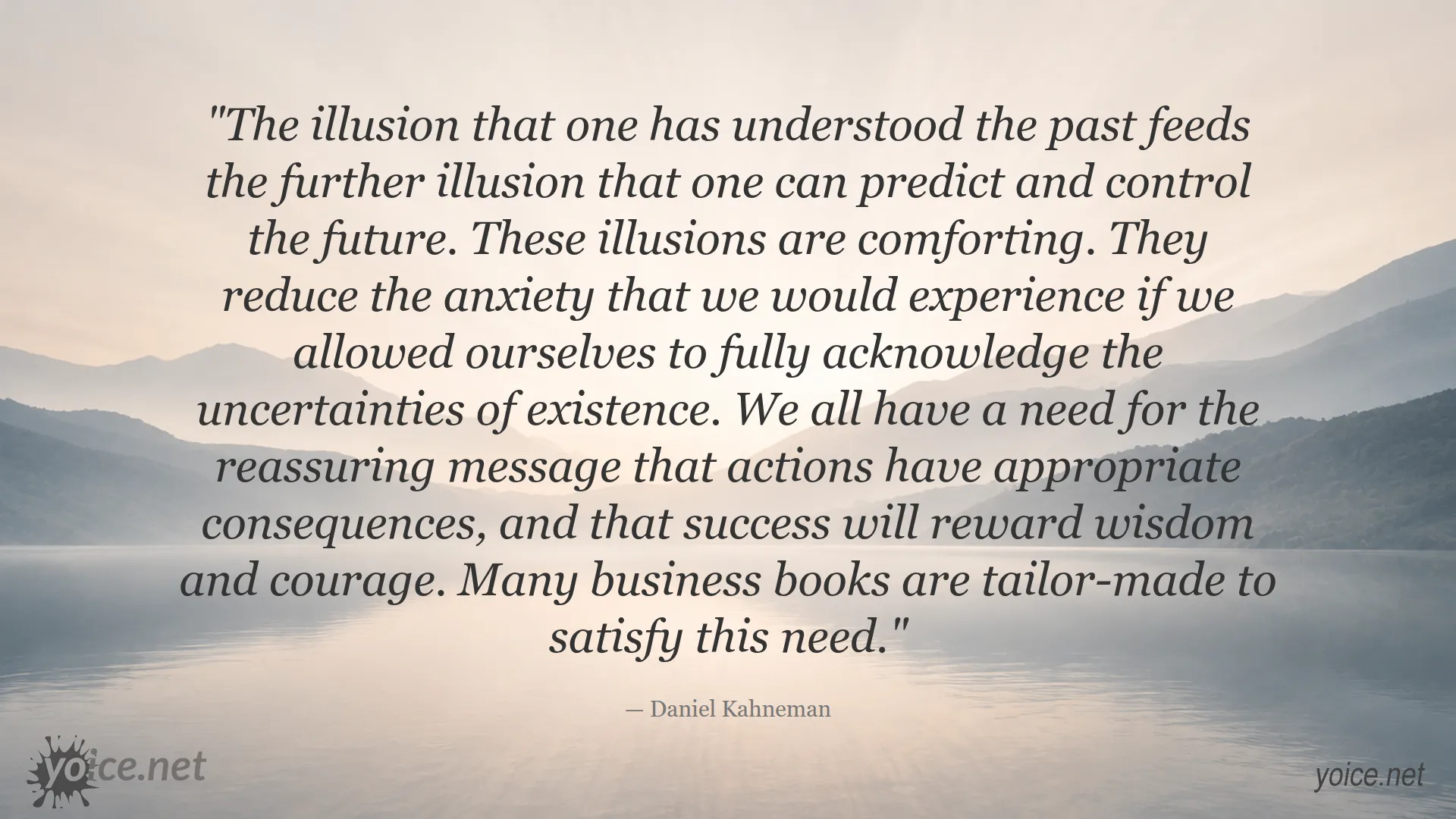 Copyright © yoice.net – Quote Artwork
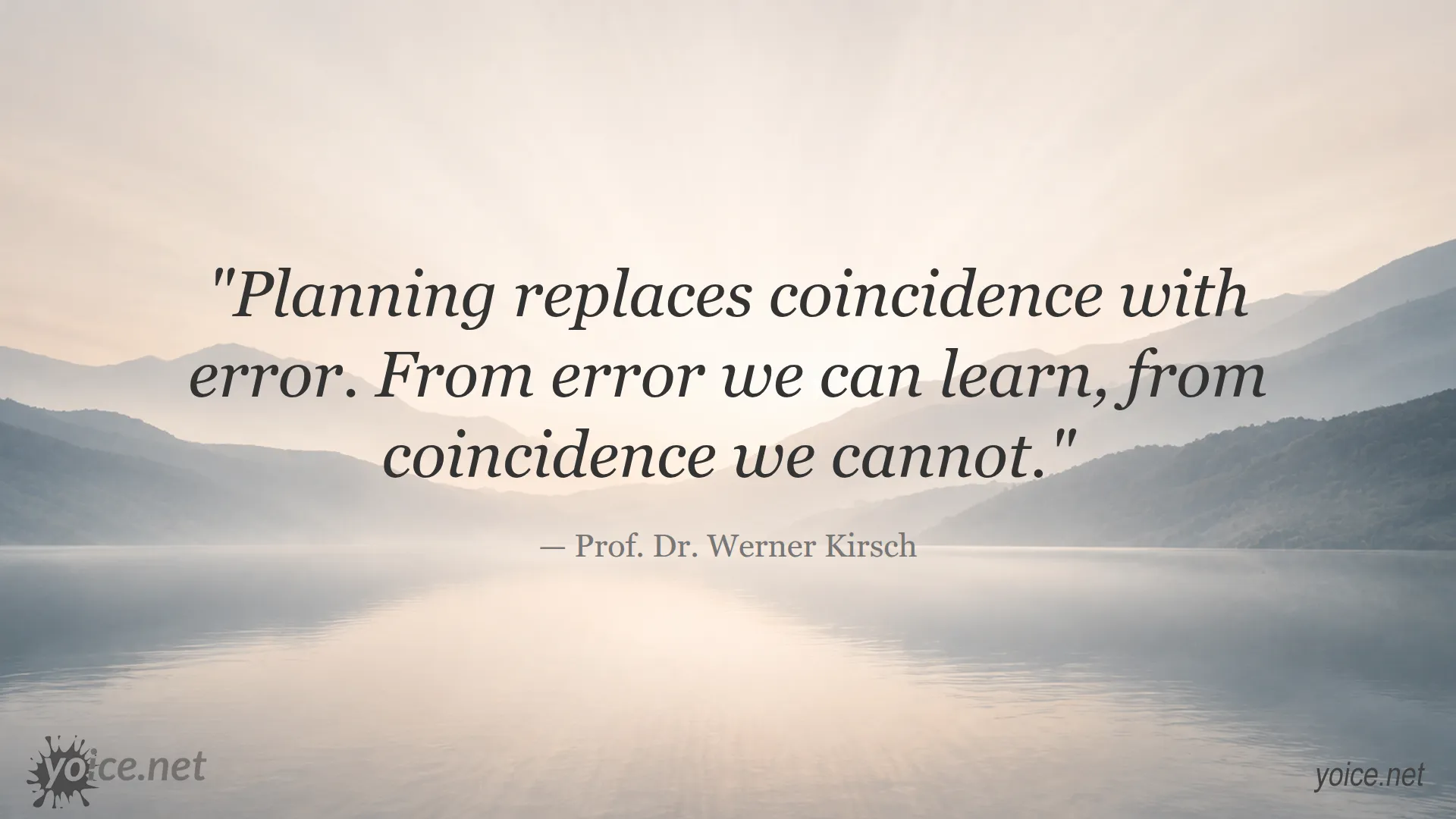 Copyright © yoice.net – Quote Artwork
 Copyright © yoice.net – Quote Artwork
 Copyright © yoice.net – Quote Artwork
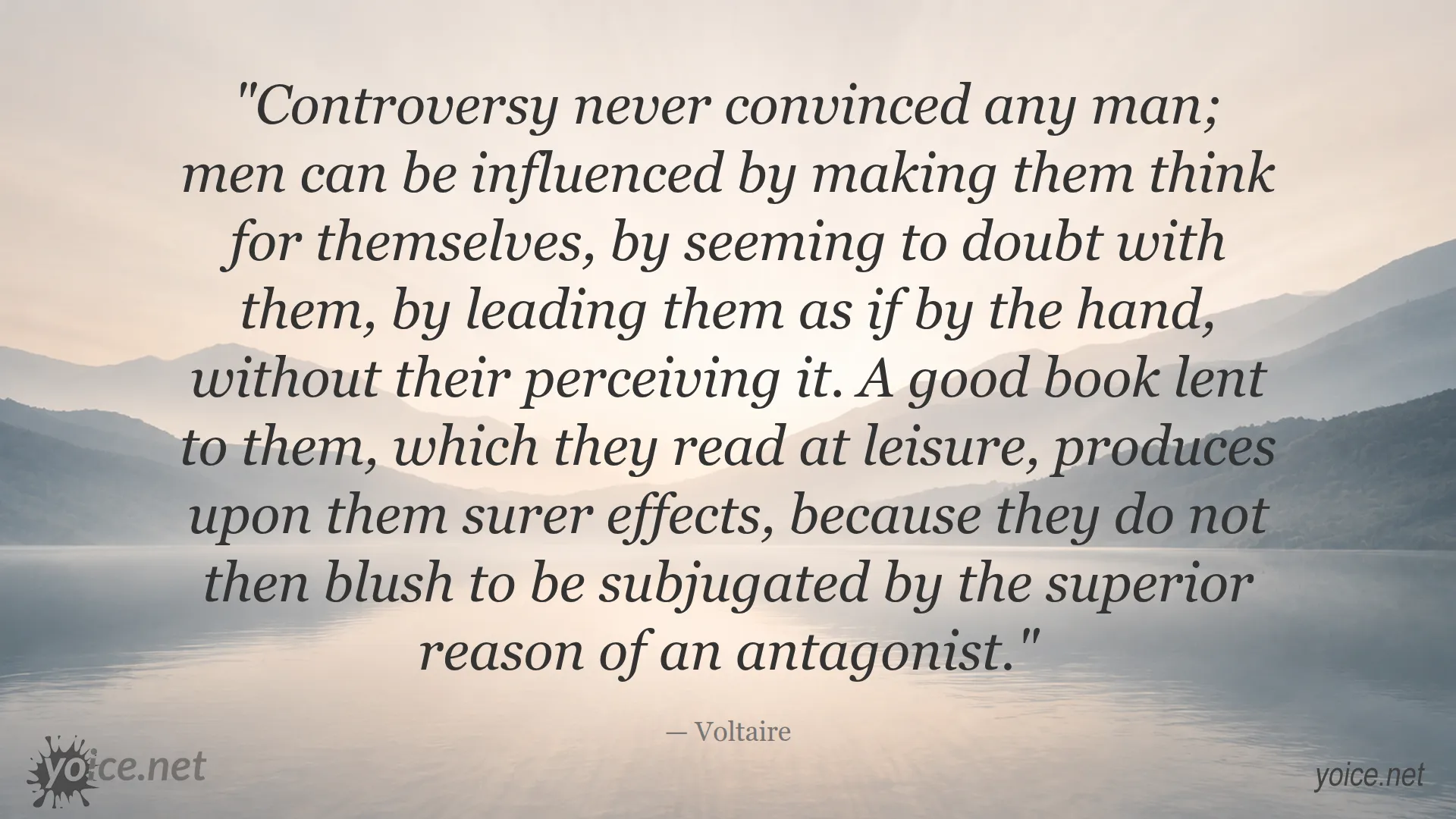 Copyright © yoice.net – Quote Artwork
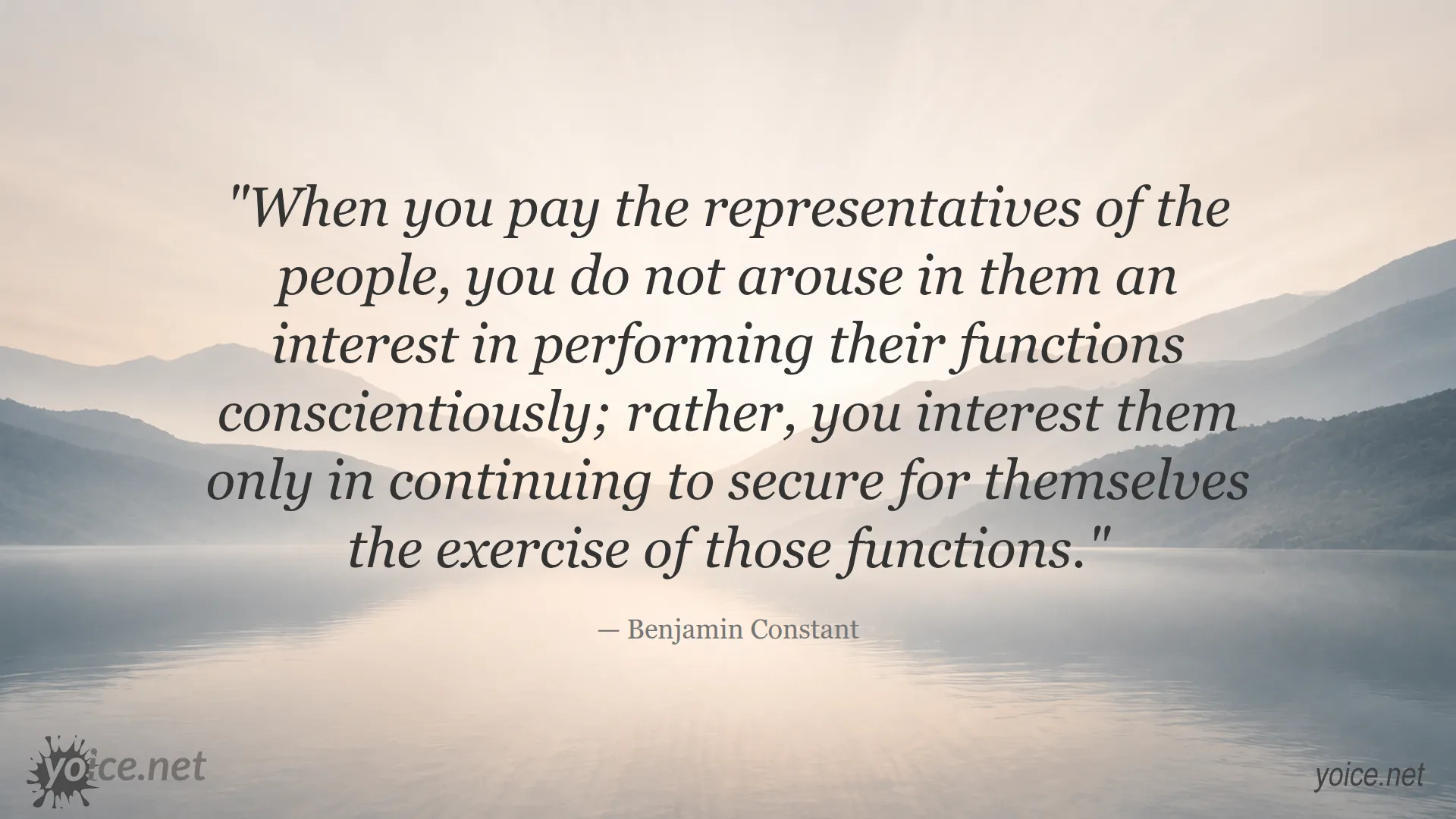 Copyright © yoice.net – Quote Artwork
Leave a Reply
Want to join the discussion?Feel free to contribute!