
Quotes, thoughts, and philosophy — a treasury of extraordinary ideas.
A collection for those who don’t just read words, but seek to truly understand them.
yoice.net is a growing treasury of quotes, ideas, and reflections — for people who want to explore, question, and be inspired.
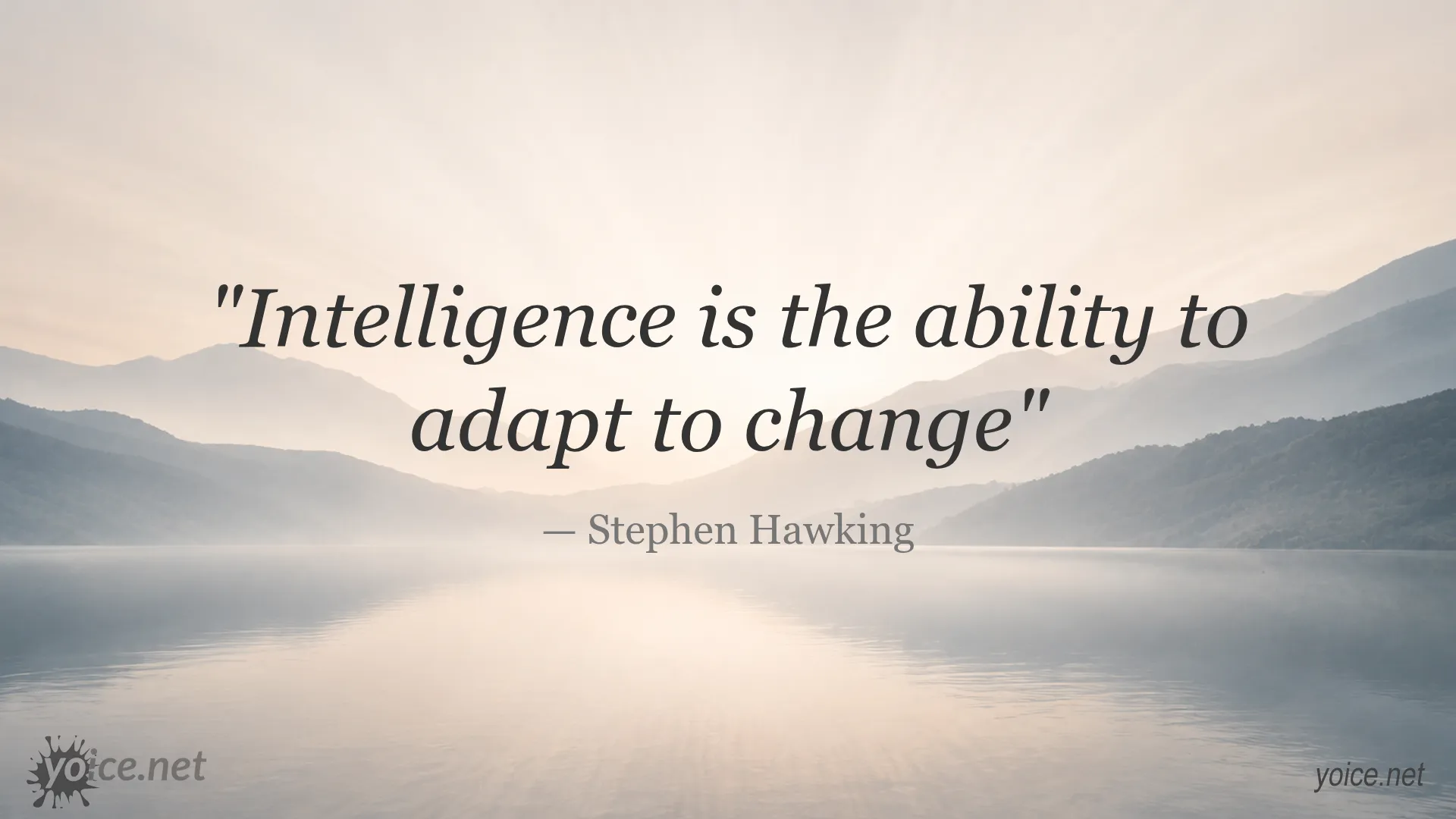 Copyright © yoice.net – Quote Artwork
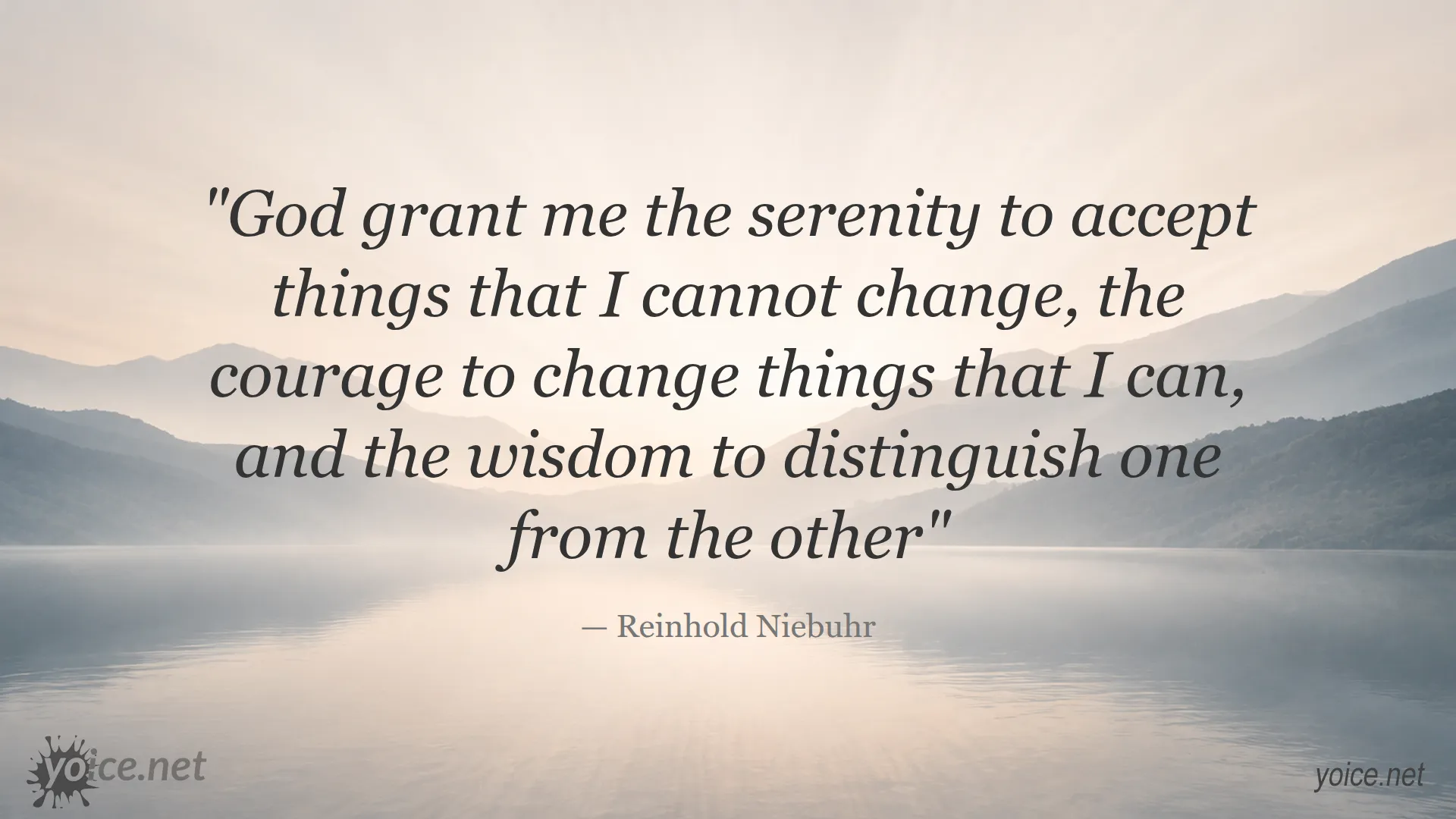 Copyright © yoice.net – Quote Artwork
 Copyright © yoice.net – Quote Artwork
 Copyright © yoice.net – Quote Artwork
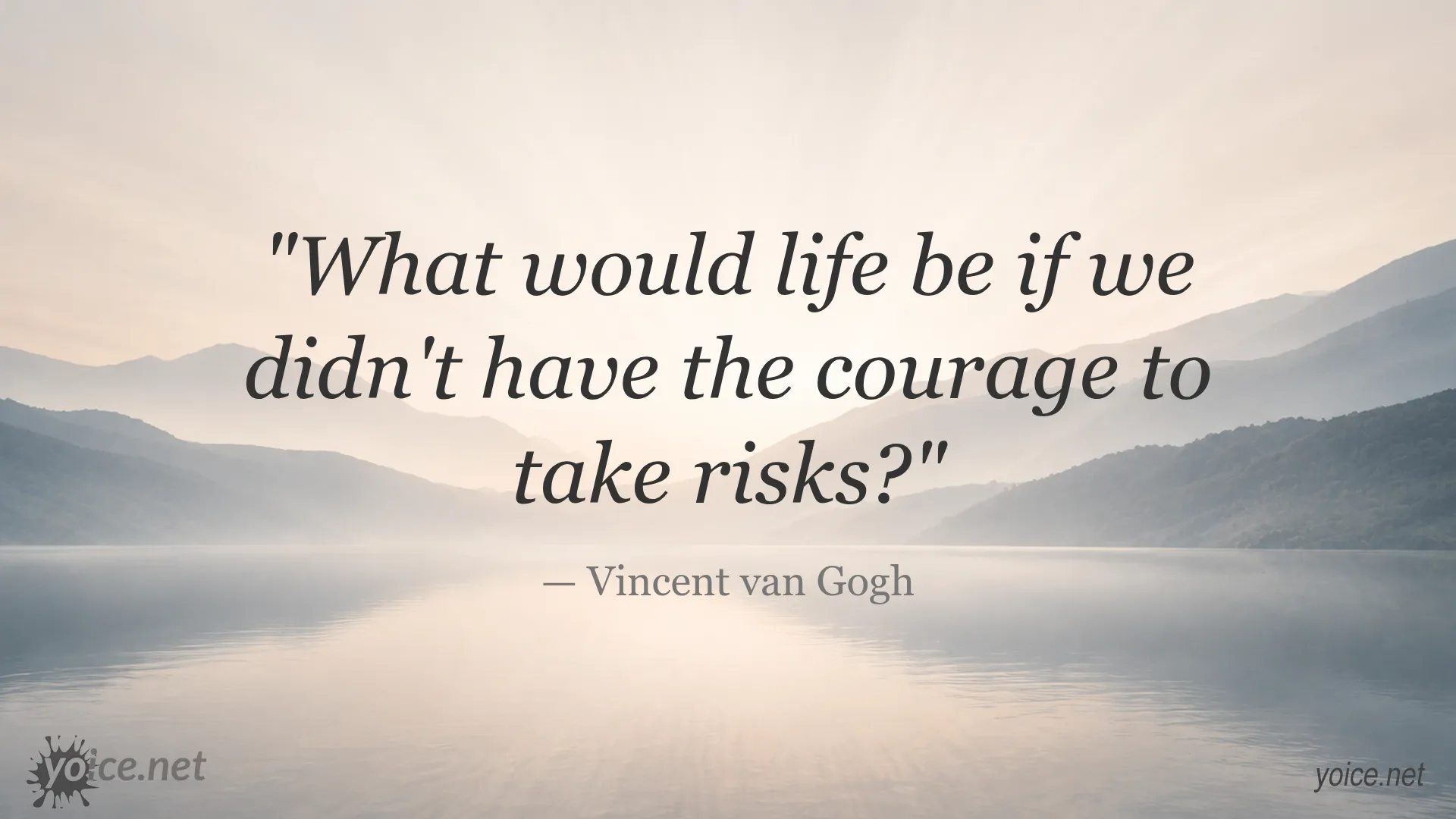 Copyright © yoice.net – Quote Artwork
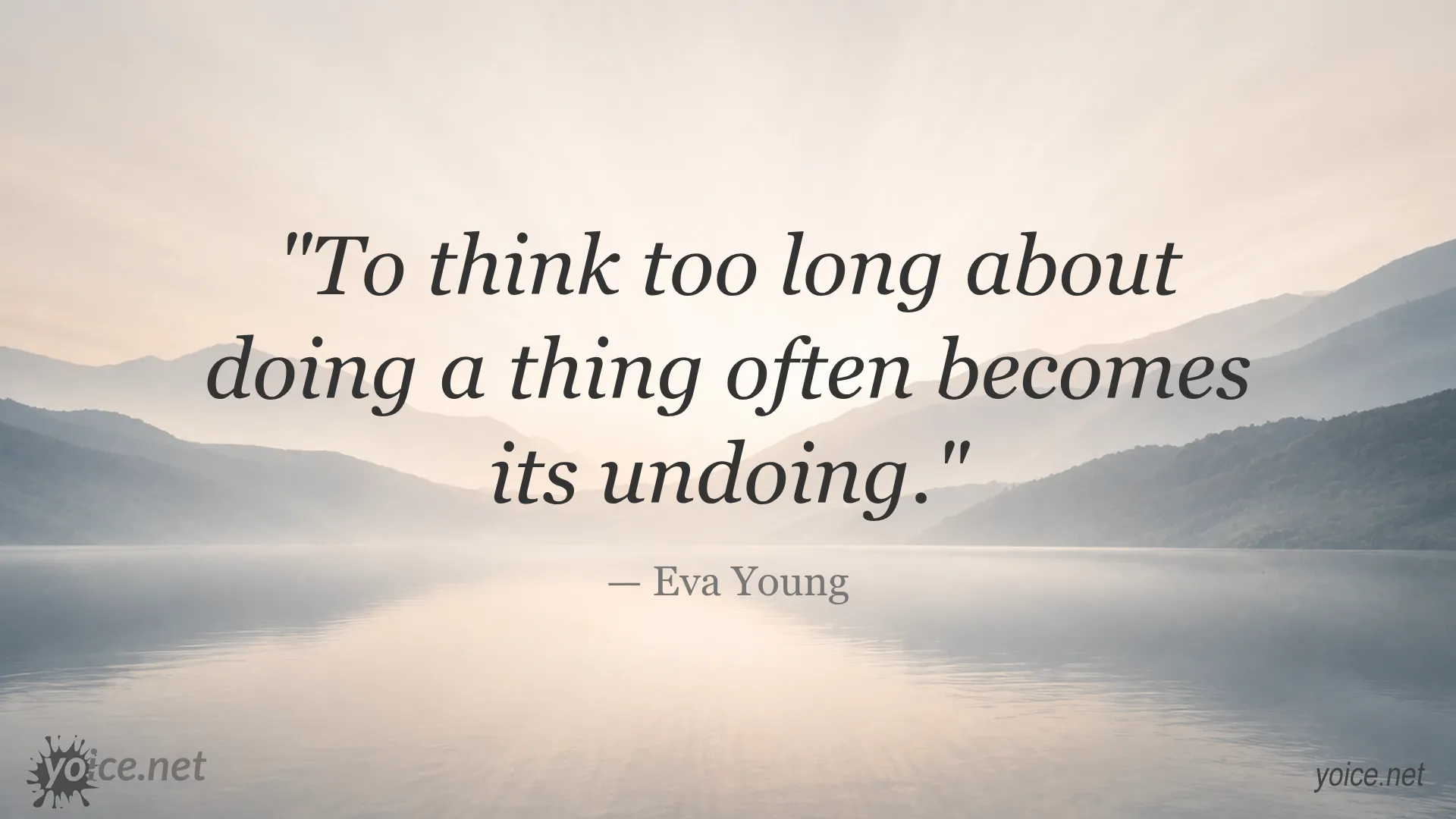 Copyright © yoice.net – Quote Artwork
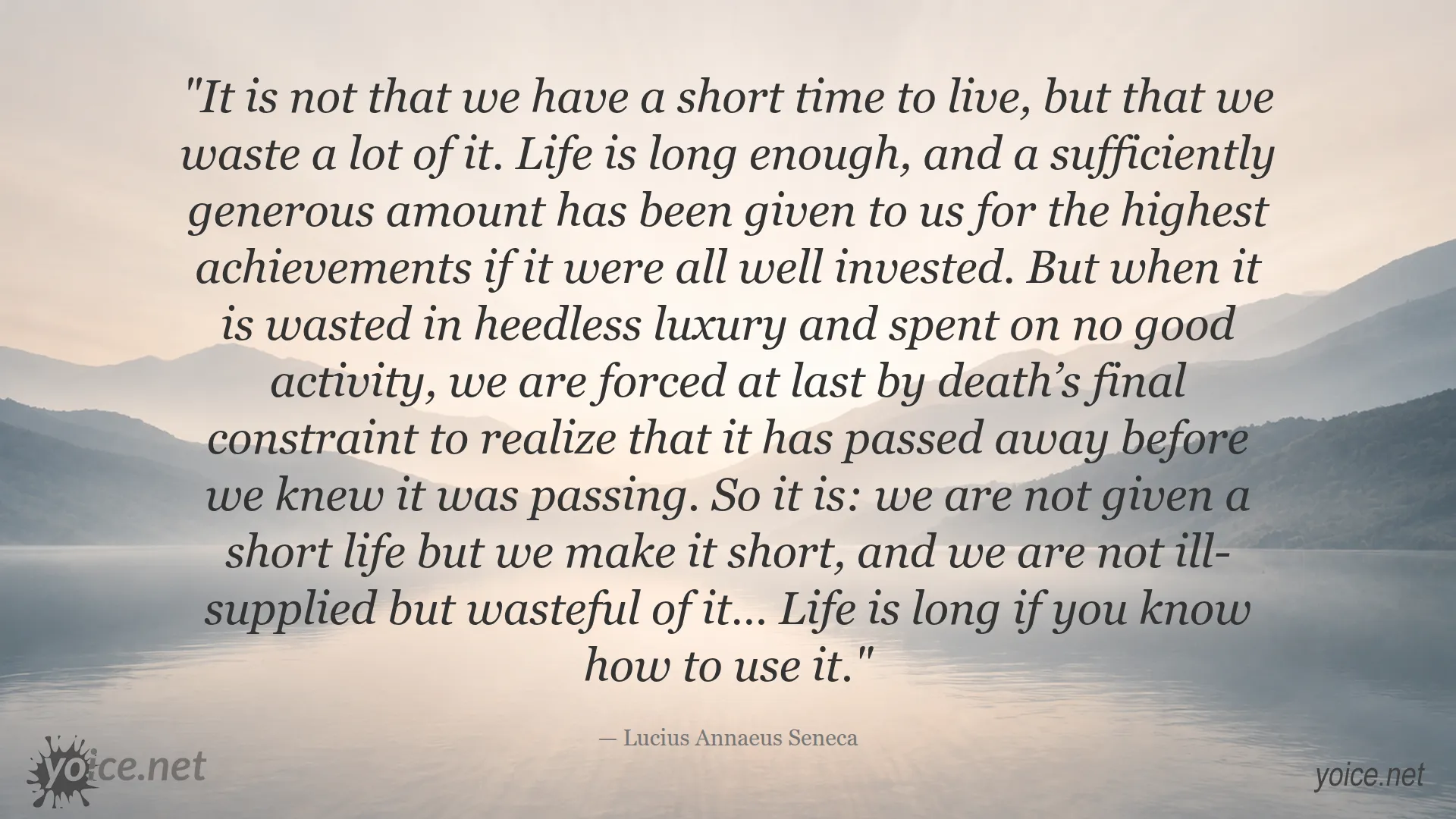 Copyright © yoice.net – Quote Artwork
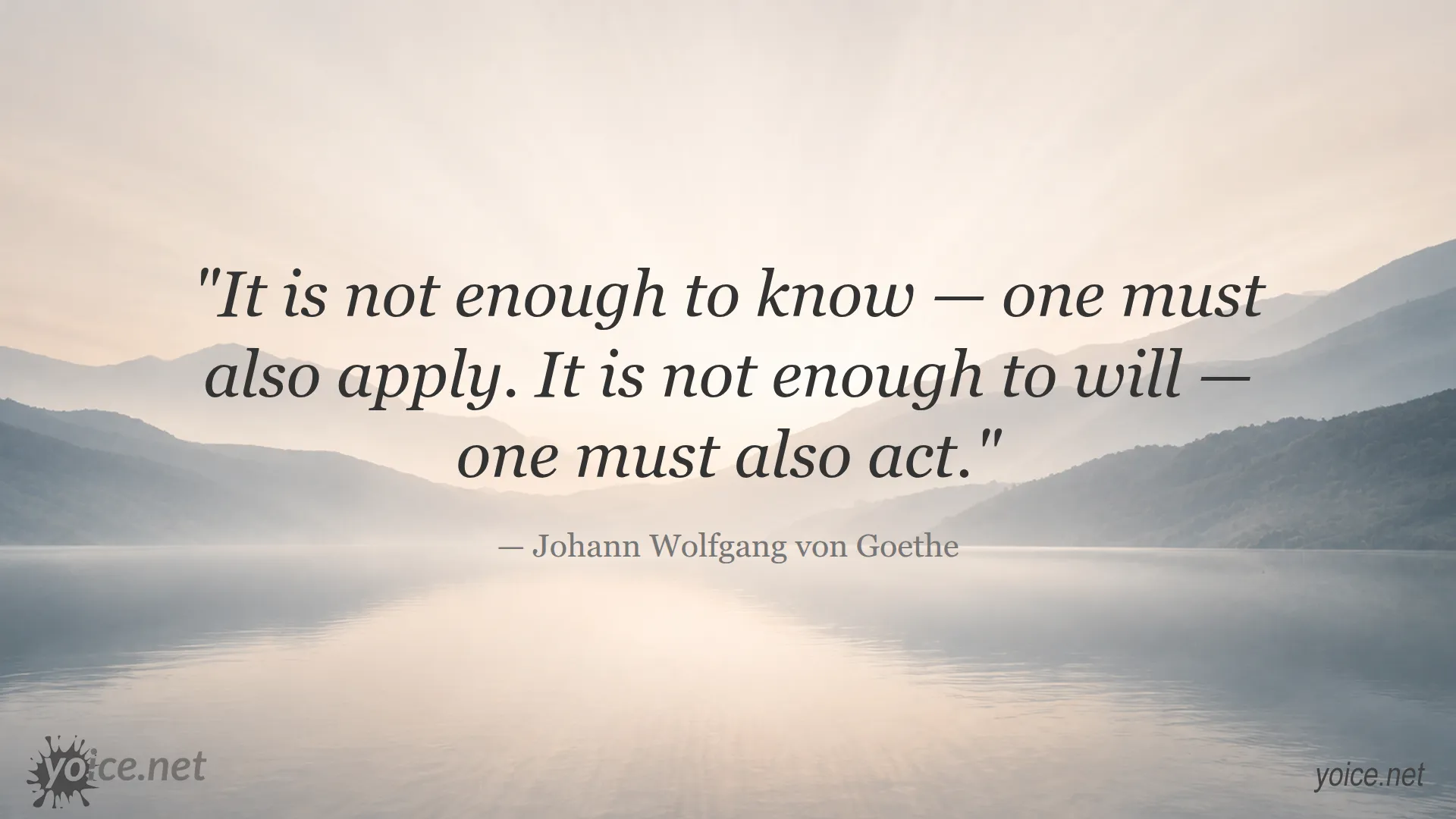 Copyright © yoice.net – Quote Artwork
 Copyright © yoice.net – Quote Artwork
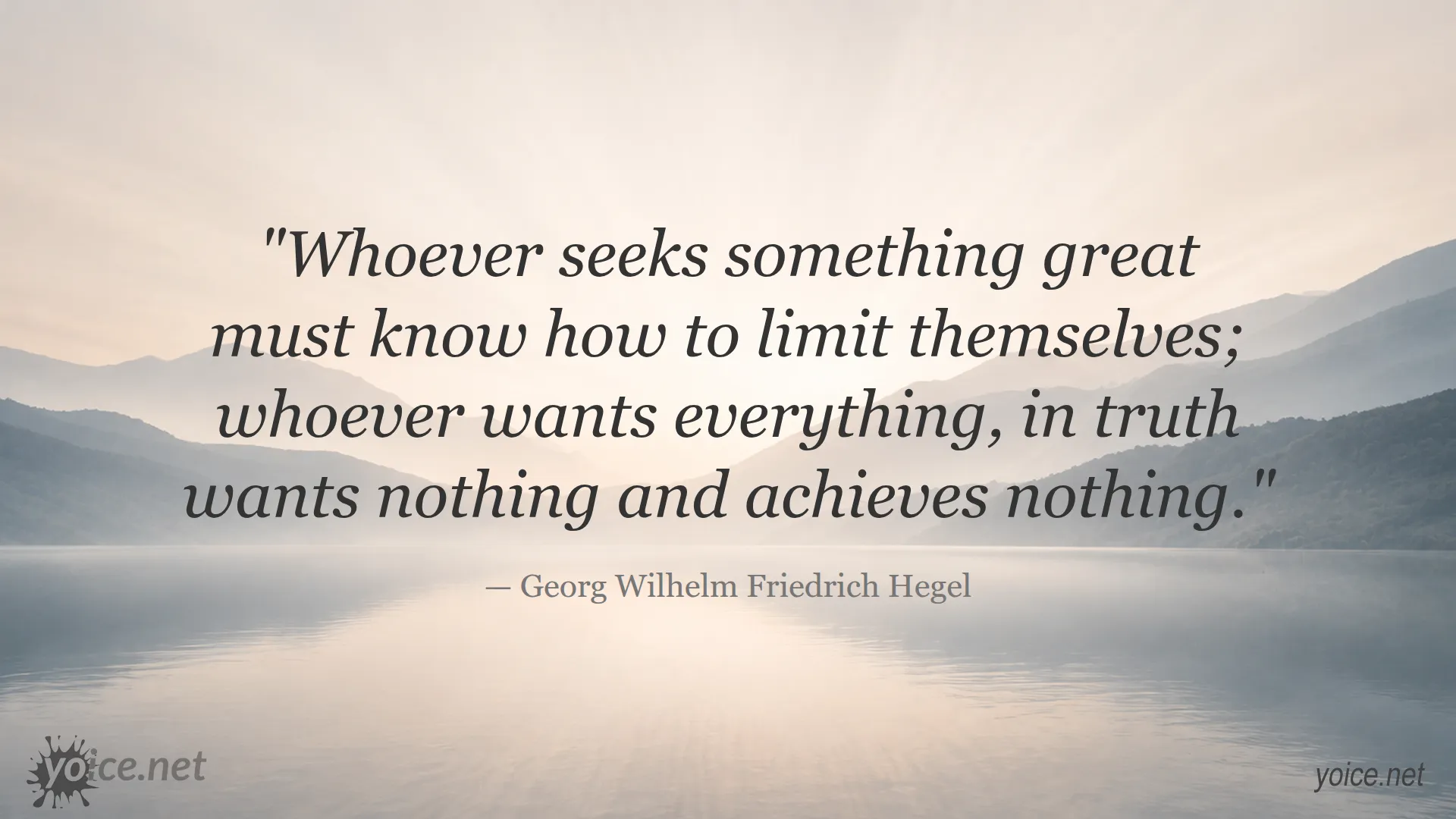 Copyright © yoice.net – Quote Artwork
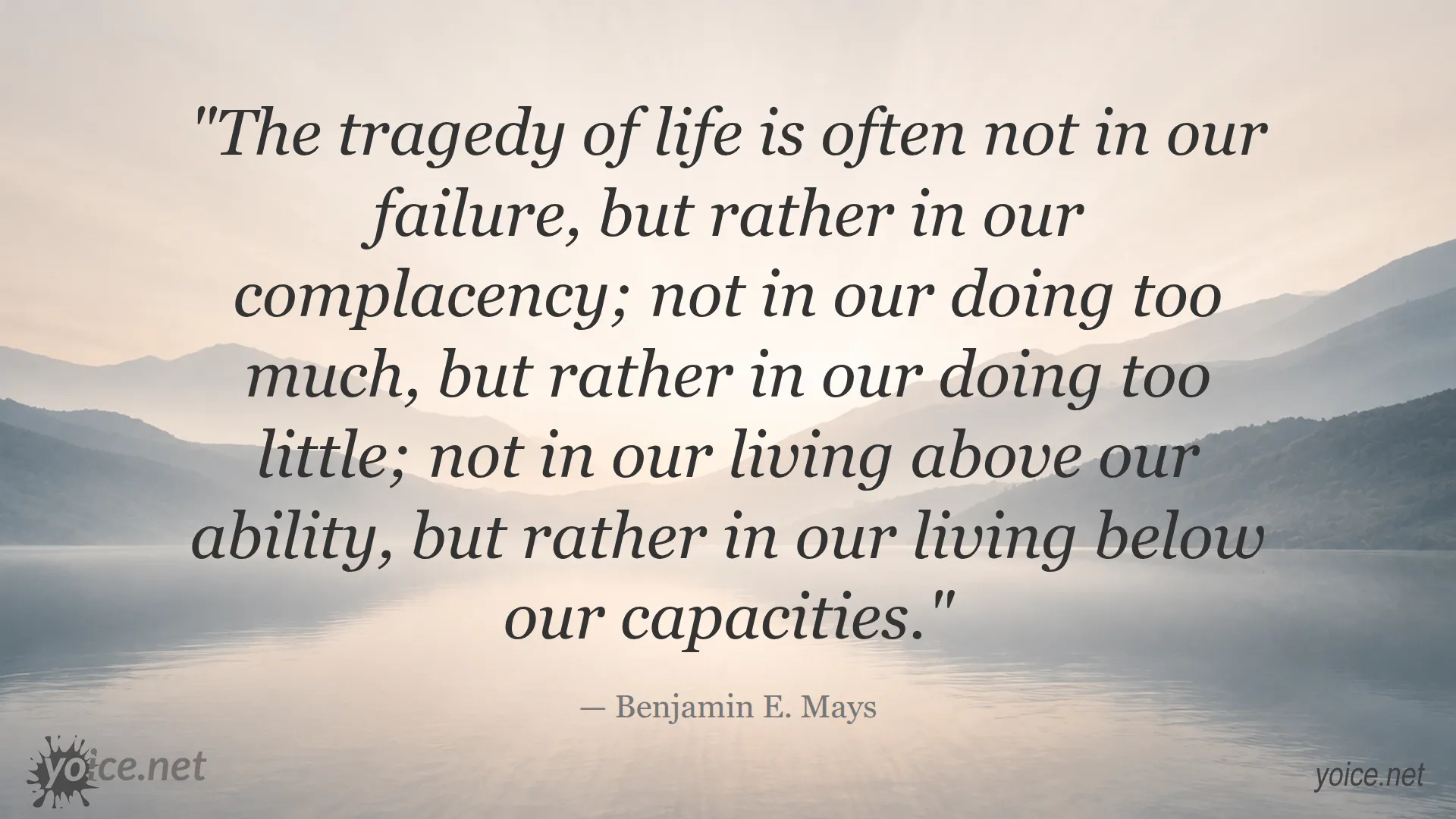 Copyright © yoice.net – Quote Artwork
 Copyright © yoice.net – Quote Artwork
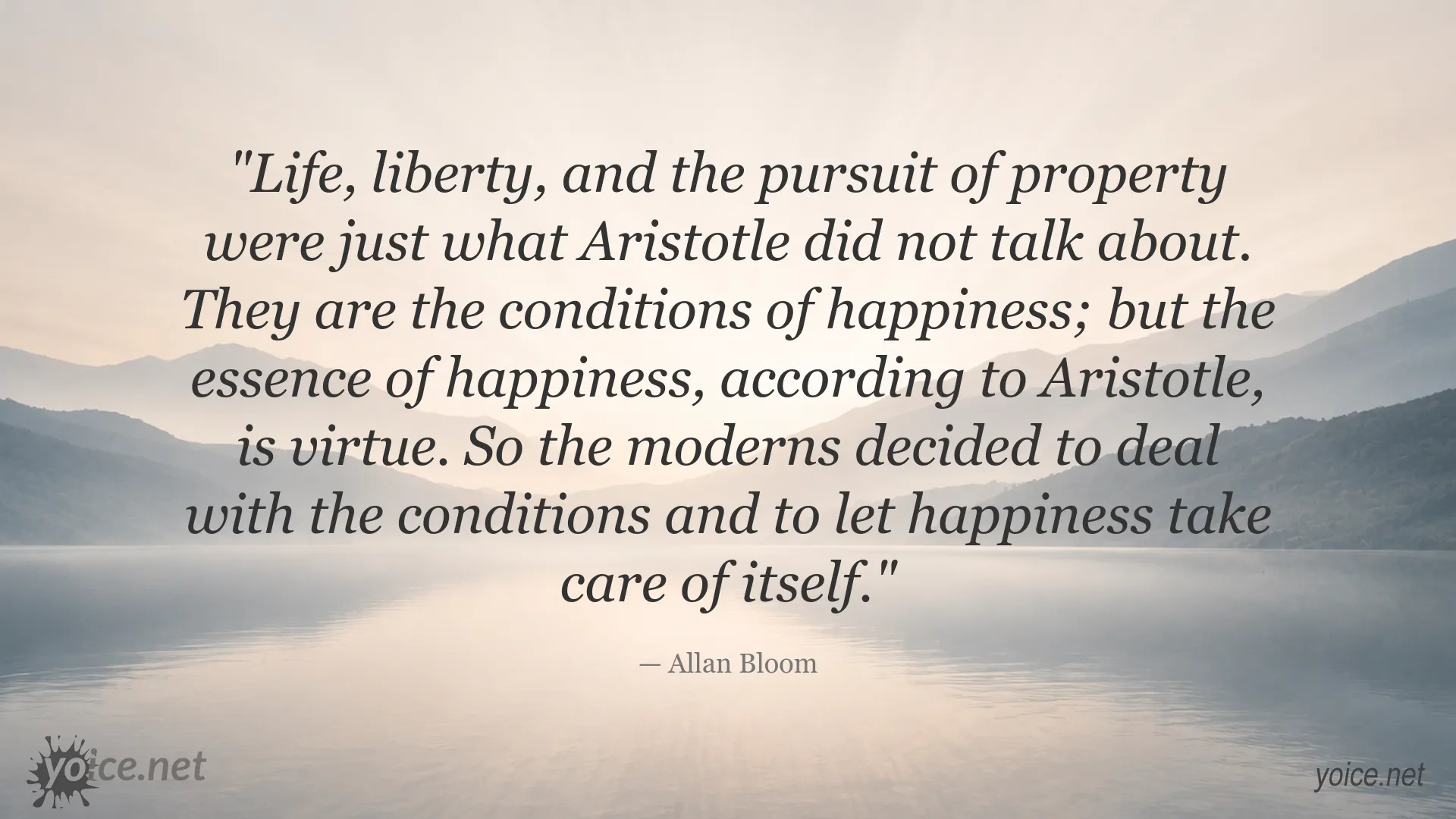 Copyright © yoice.net – Quote Artwork
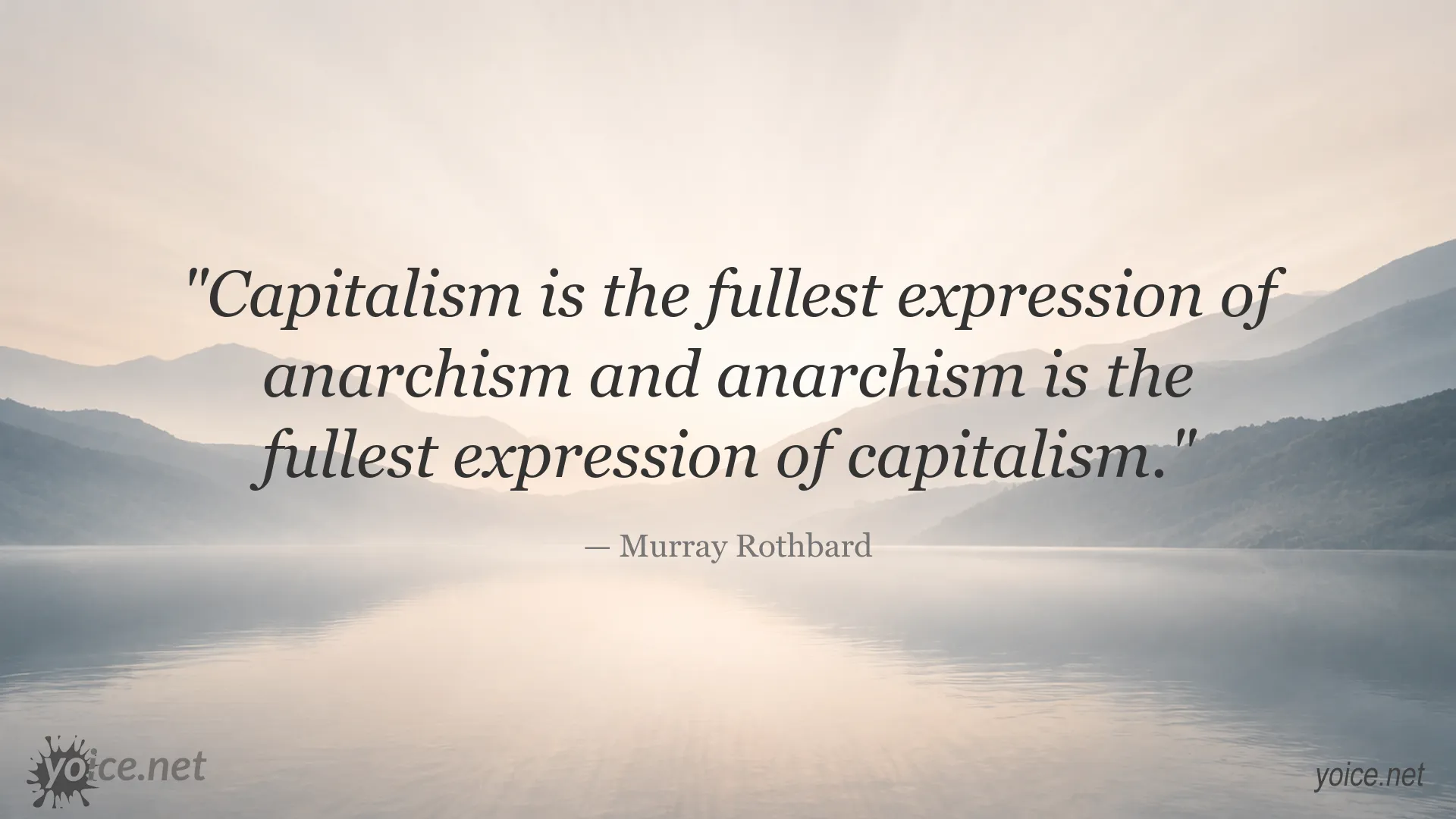 Copyright © yoice.net – Quote Artwork
 Copyright © yoice.net – Quote Artwork
 Copyright © yoice.net – Quote Artwork
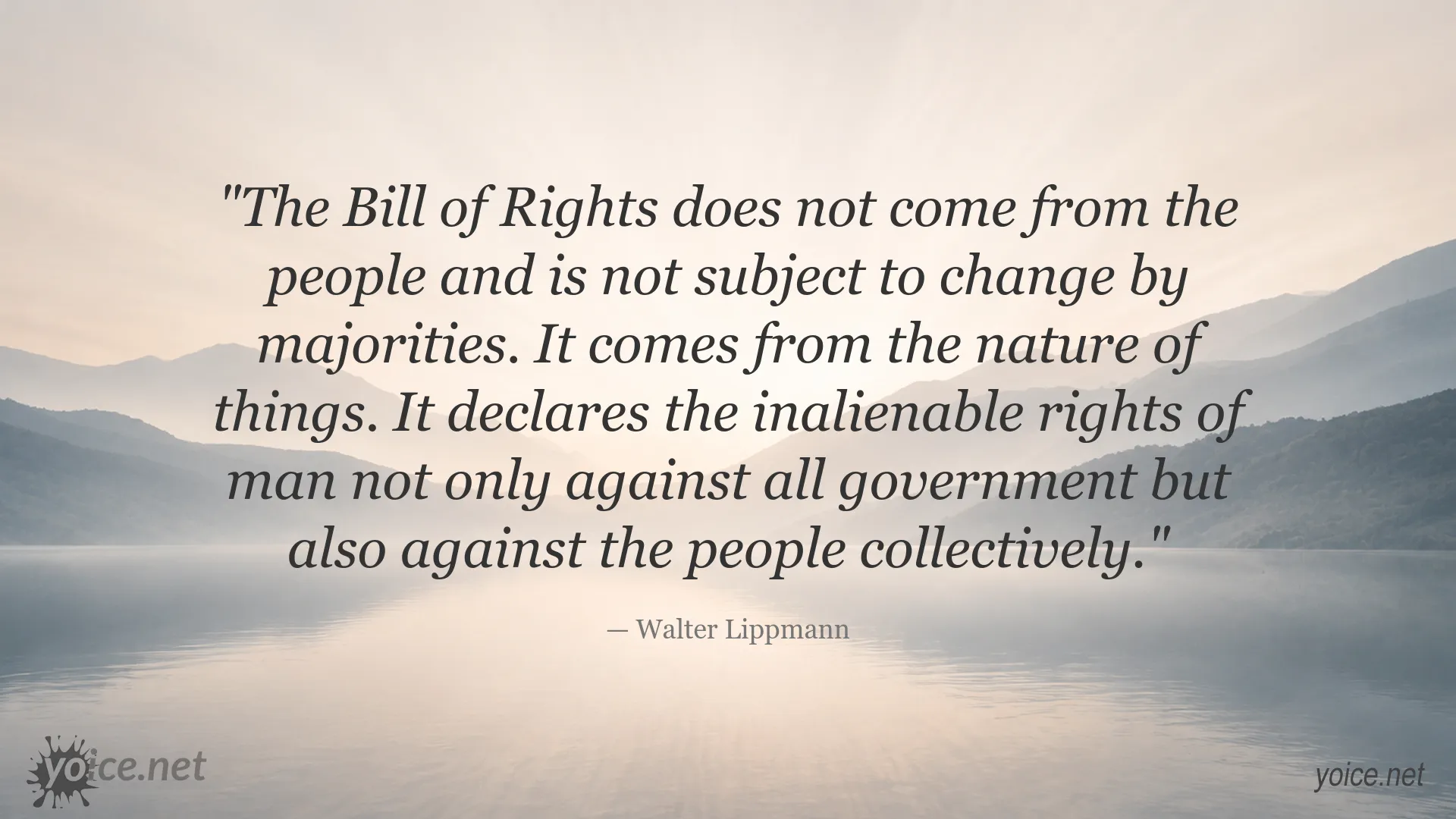 Copyright © yoice.net – Quote Artwork
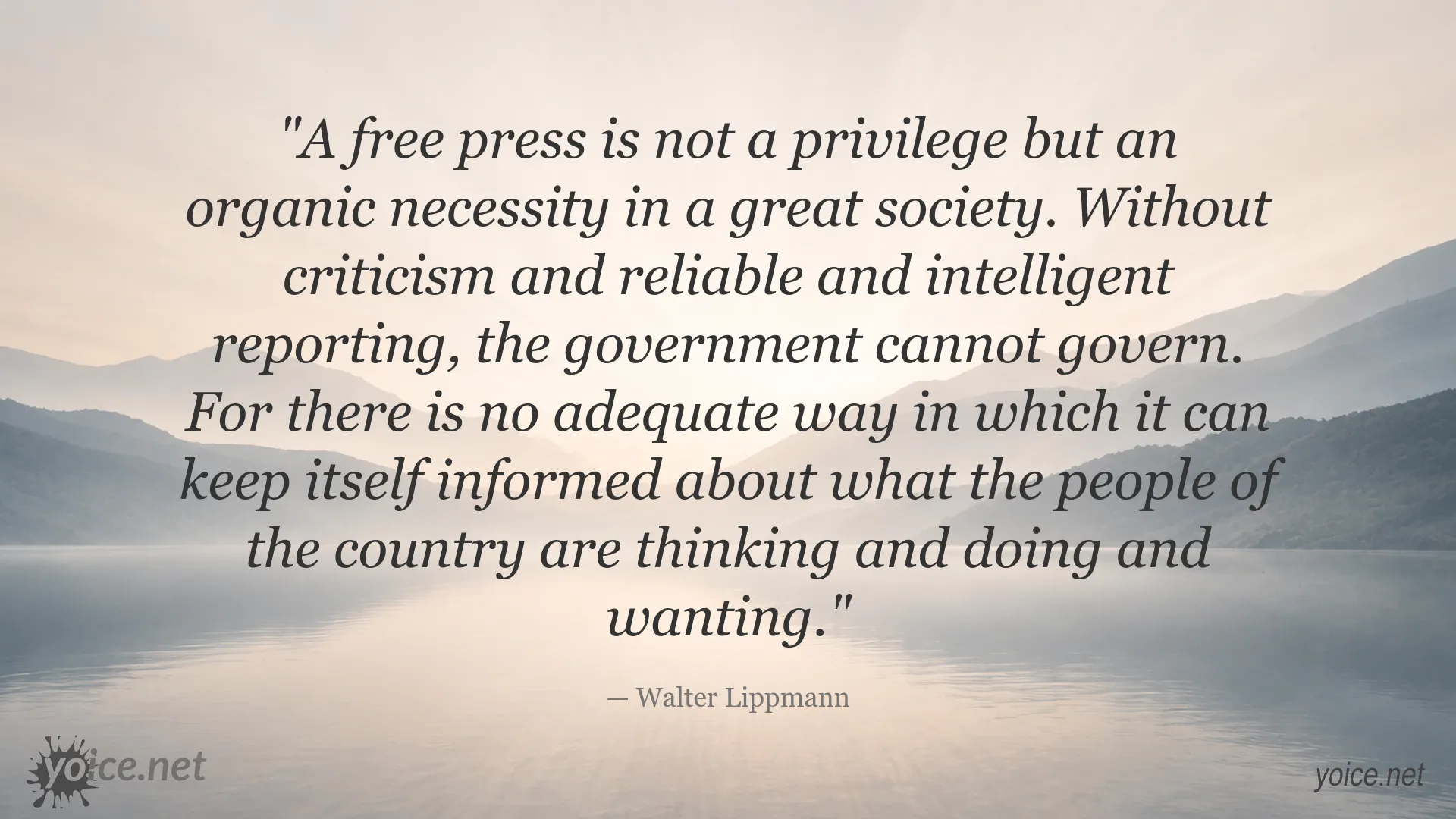 Copyright © yoice.net – Quote Artwork
 Copyright © yoice.net – Quote Artwork
 Copyright © yoice.net – Quote Artwork
 Copyright © yoice.net – Quote Artwork
 Copyright © yoice.net – Quote Artwork
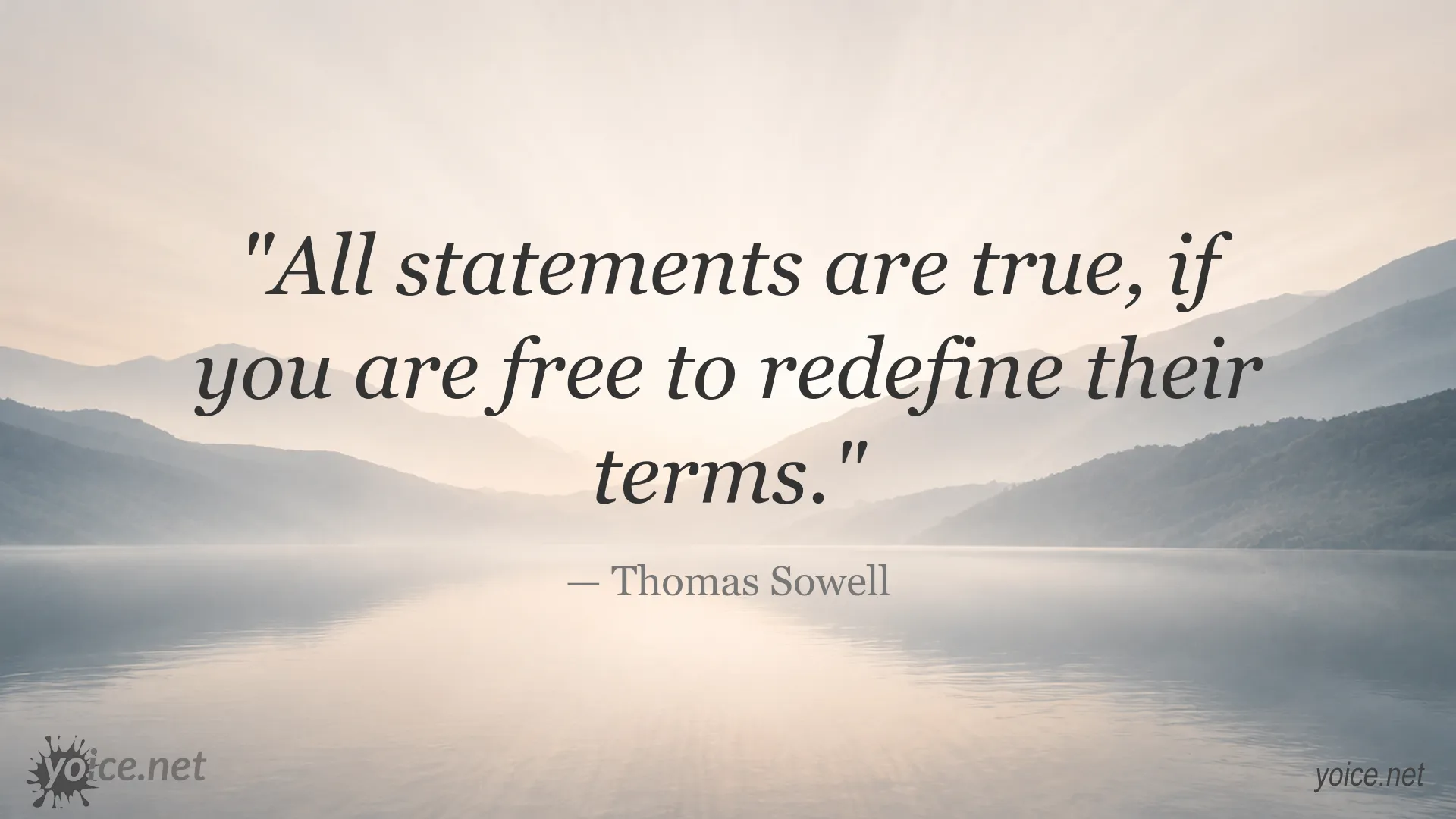 Copyright © yoice.net – Quote Artwork
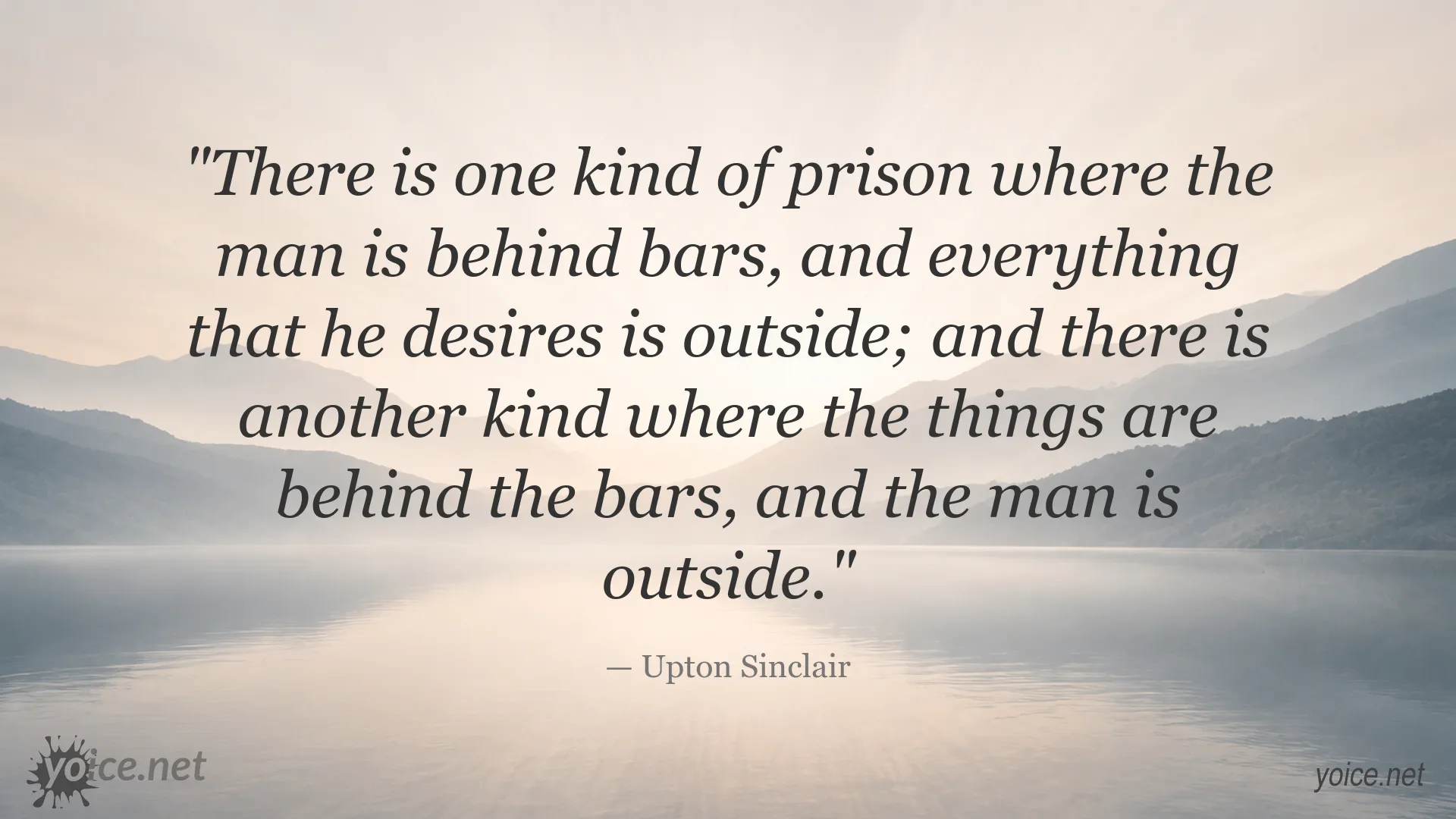 Copyright © yoice.net – Quote Artwork
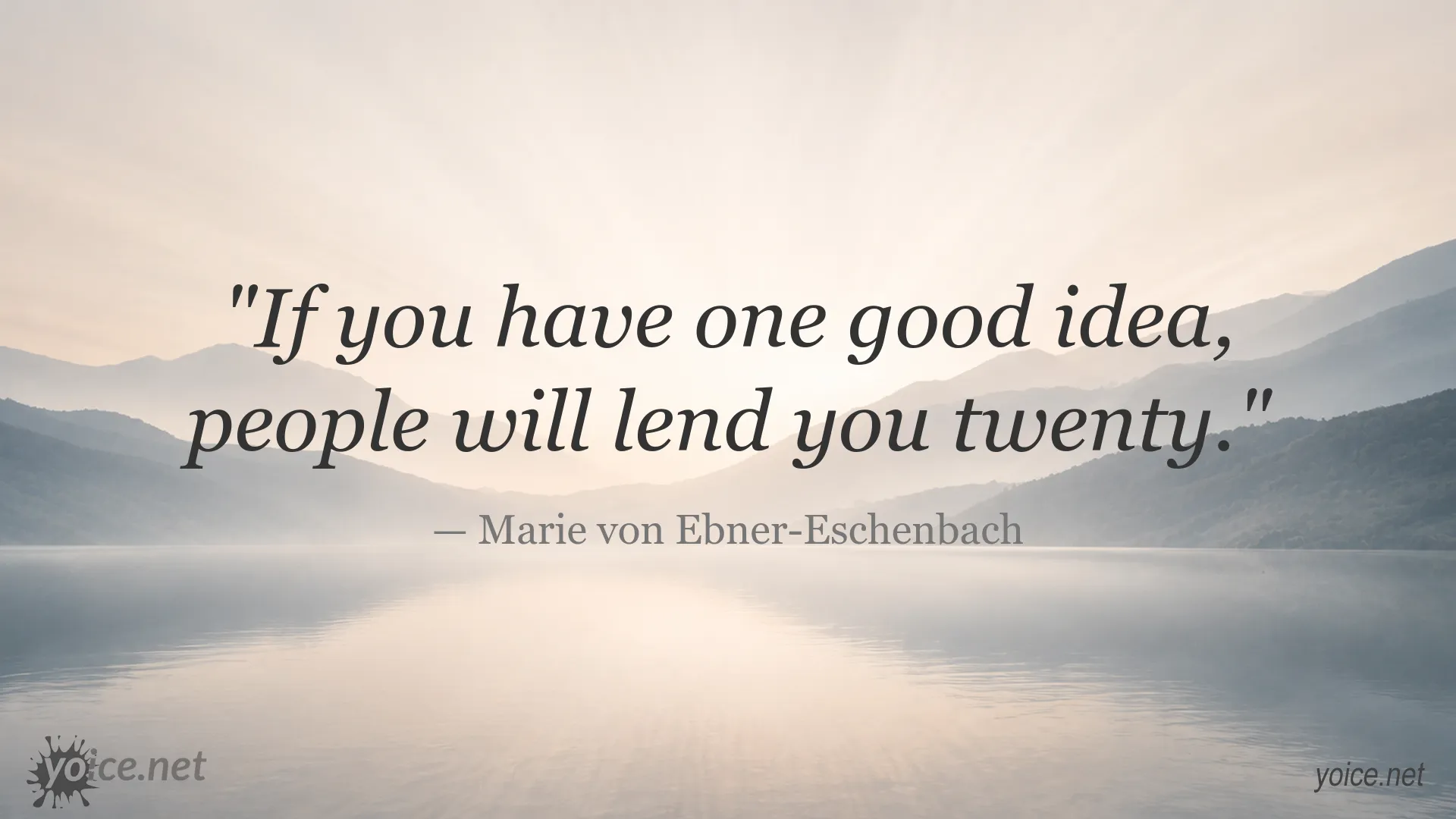 Copyright © yoice.net – Quote Artwork
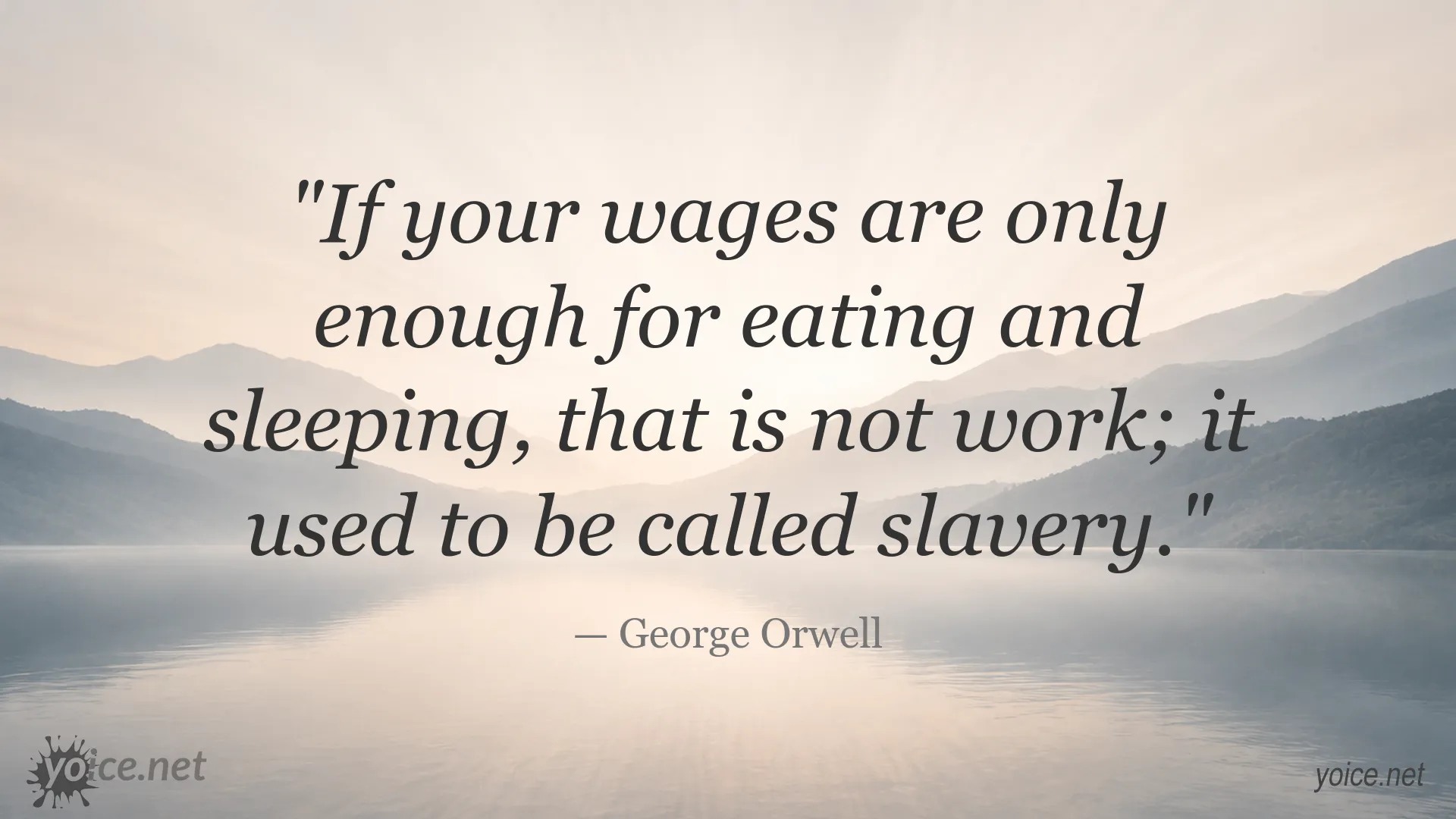 Copyright © yoice.net – Quote Artwork
 Copyright © yoice.net – Quote Artwork
 Copyright © yoice.net – Quote Artwork
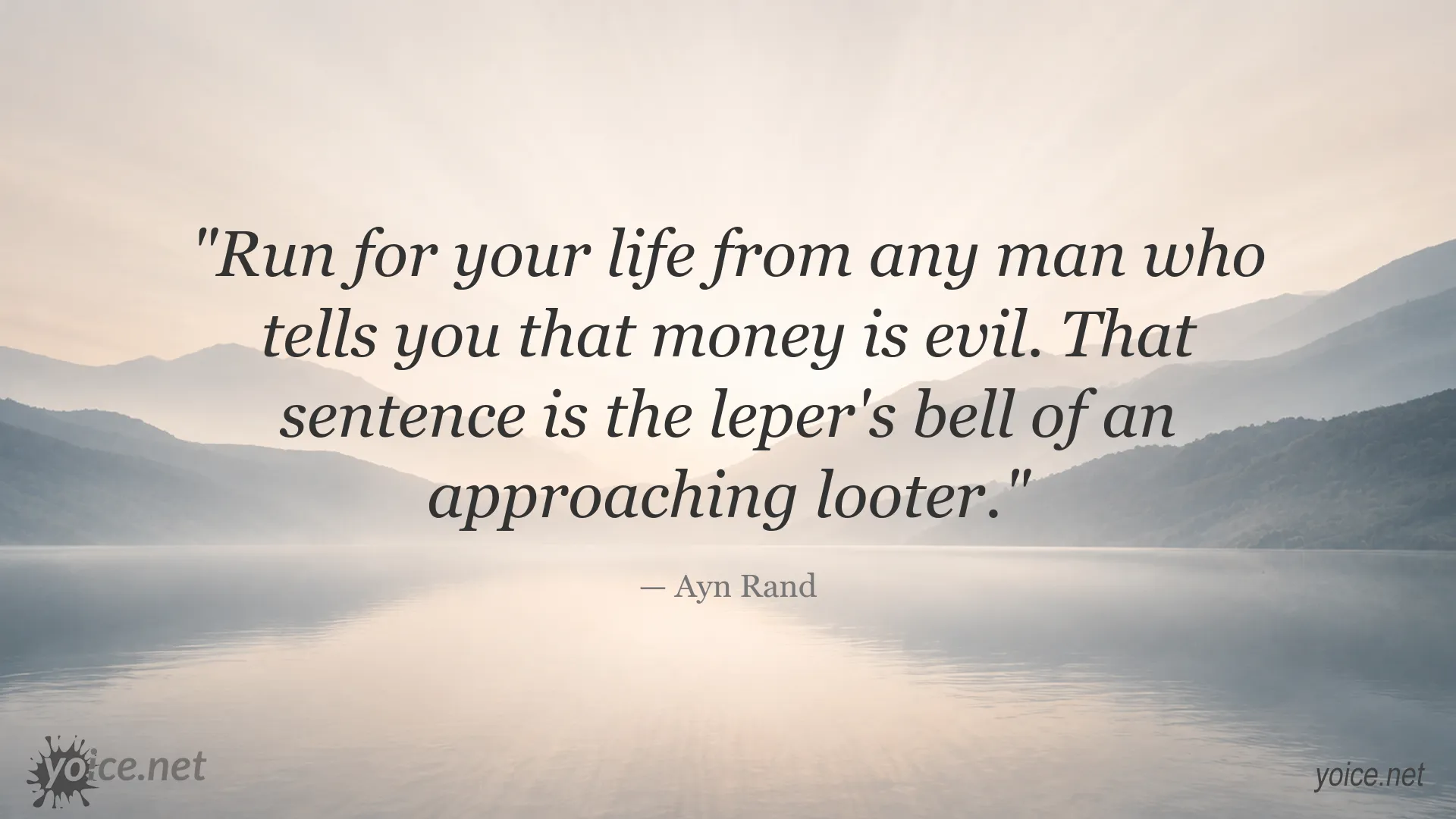 Copyright © yoice.net – Quote Artwork
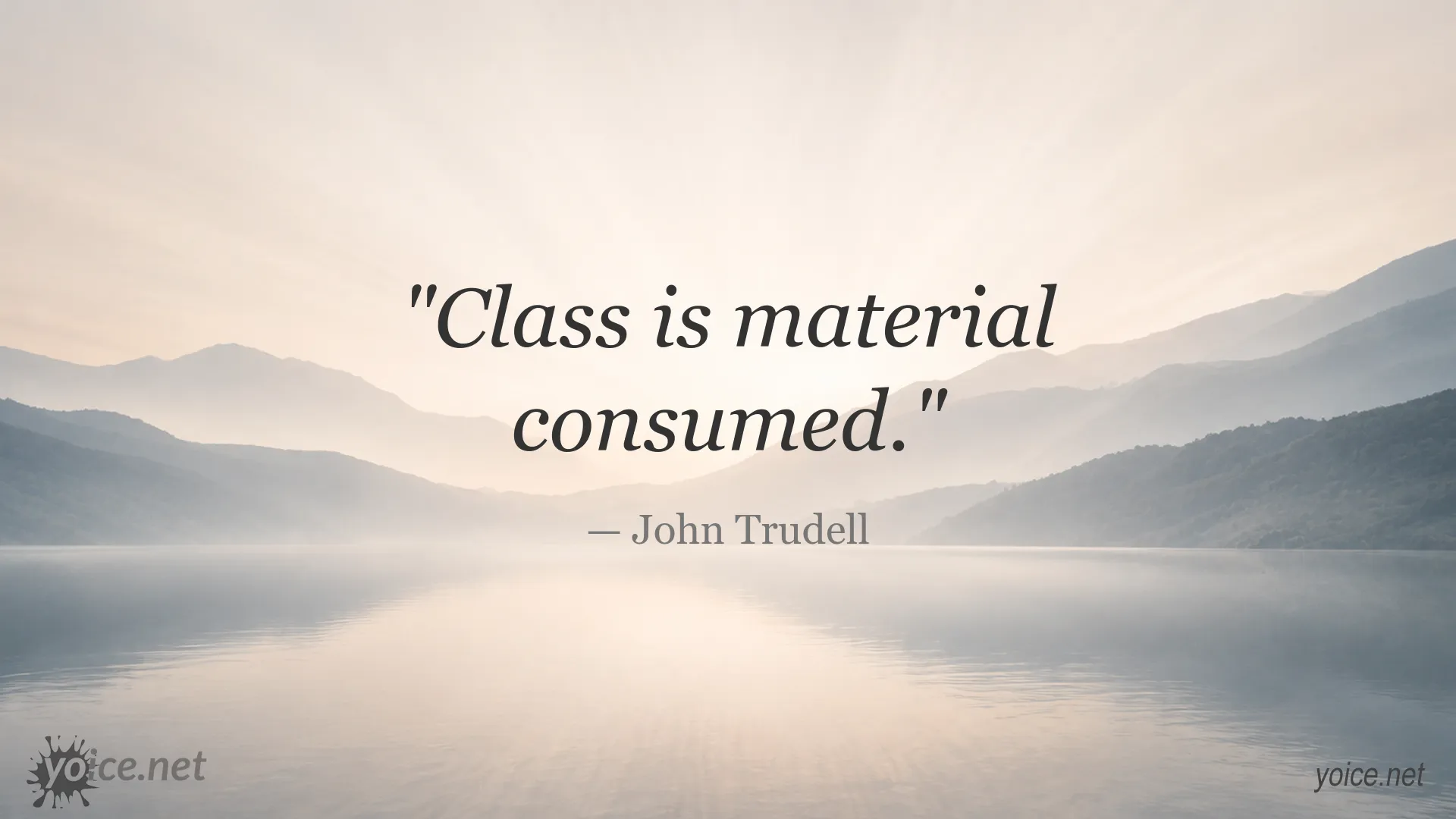 Copyright © yoice.net – Quote Artwork
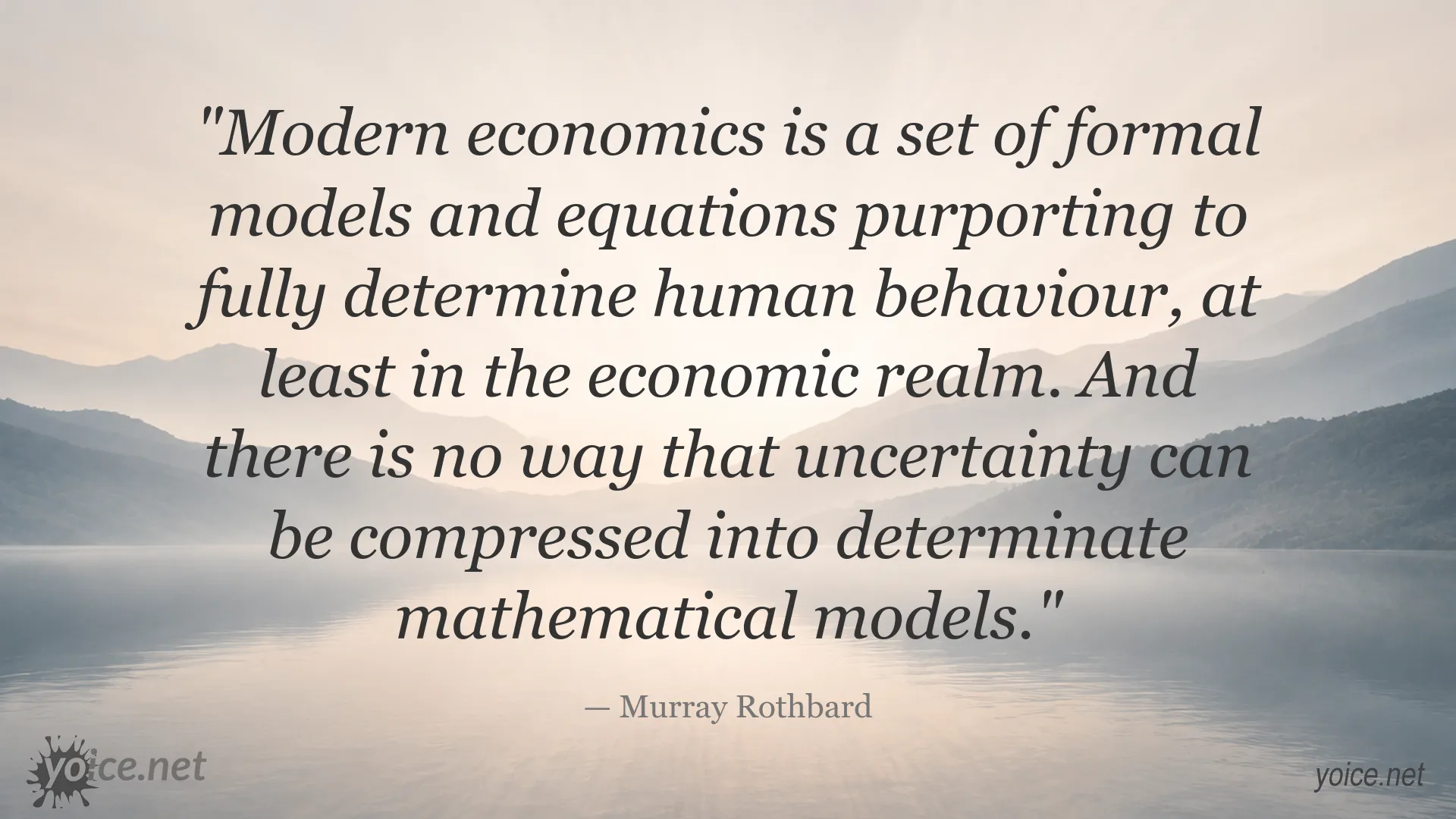 Copyright © yoice.net – Quote Artwork
 Copyright © yoice.net – Quote Artwork
 Copyright © yoice.net – Quote Artwork
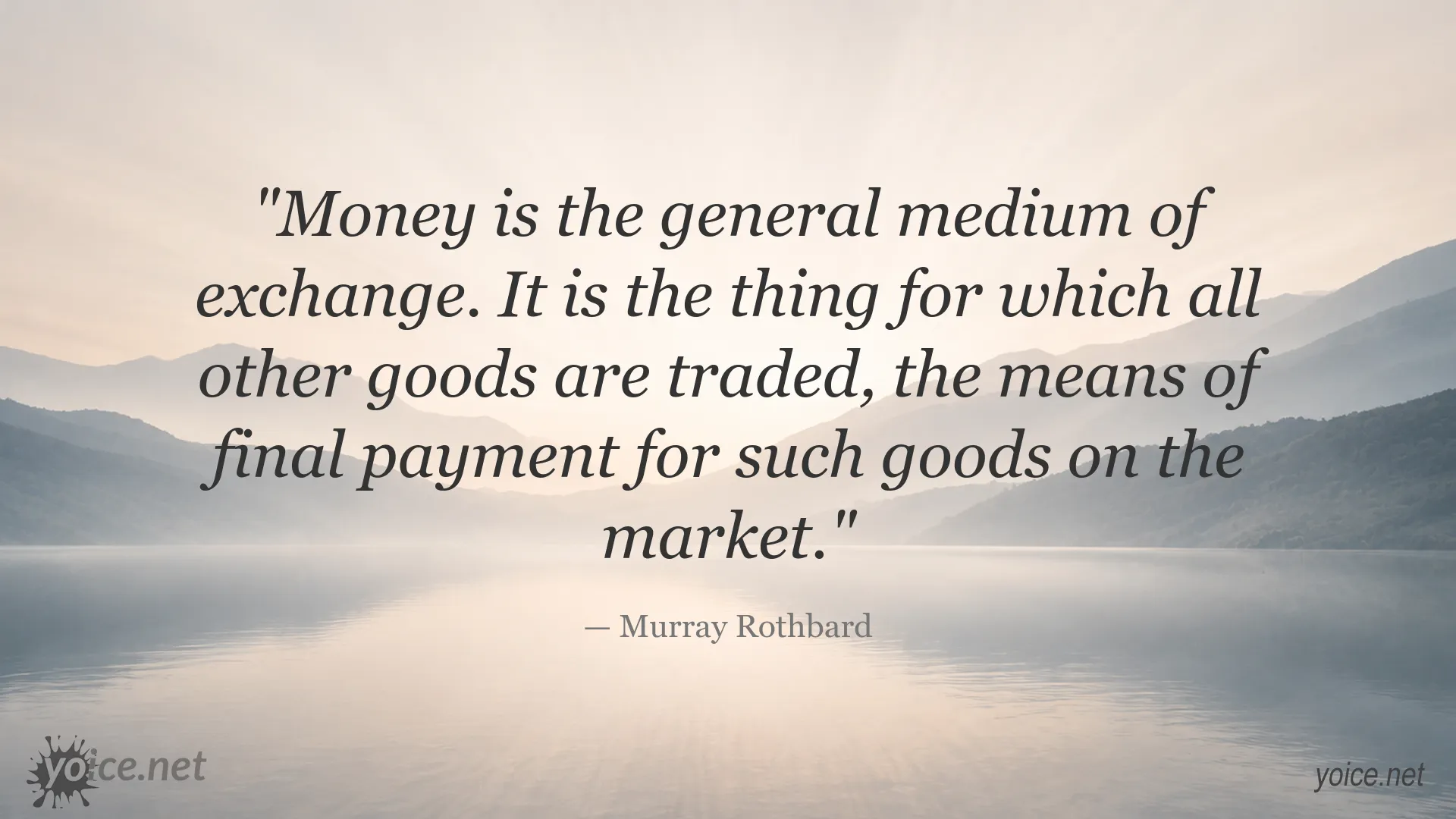 Copyright © yoice.net – Quote Artwork
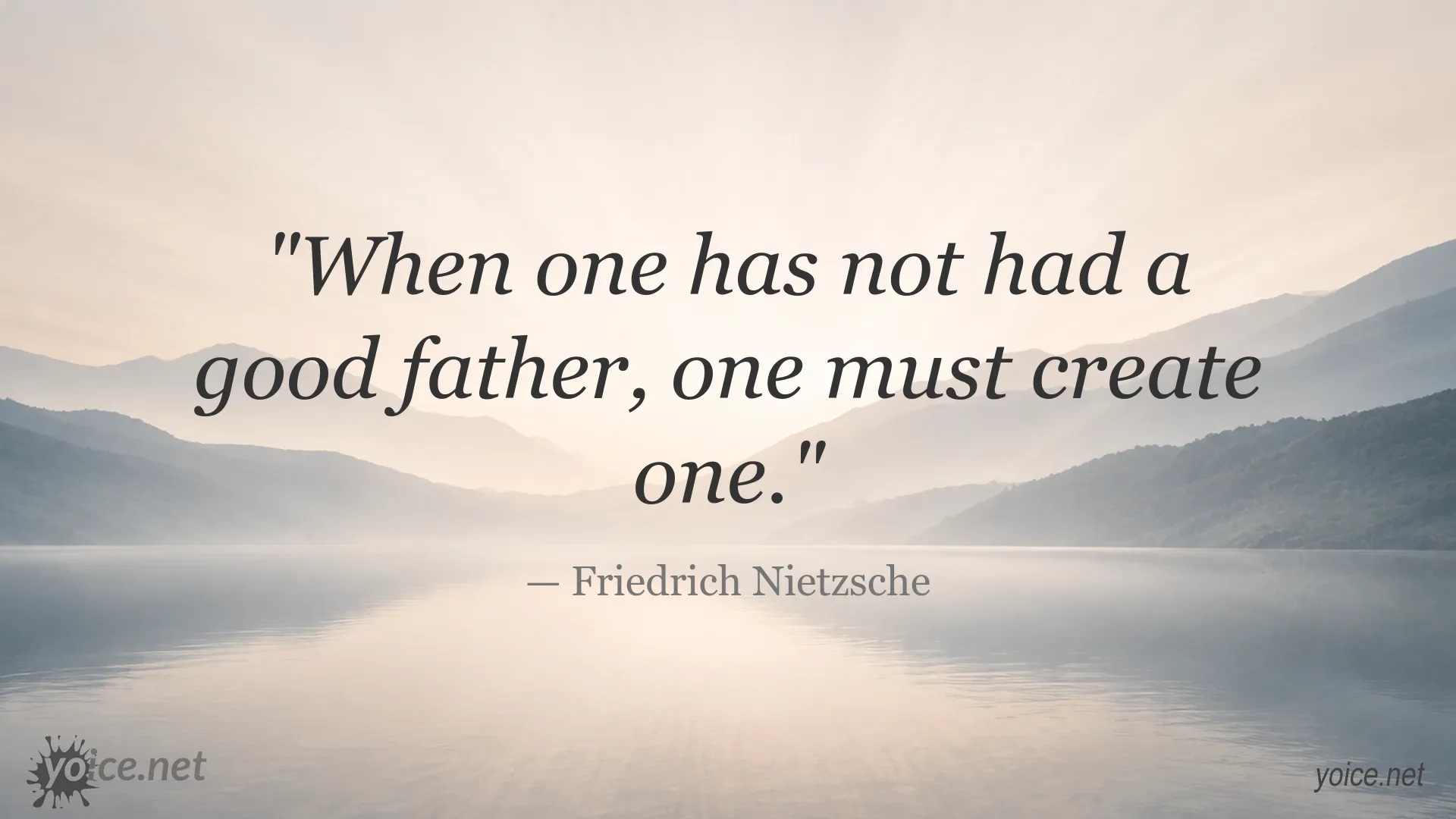 Copyright © yoice.net – Quote Artwork